
What is a drain air gap and why is it important to your home?
Read more

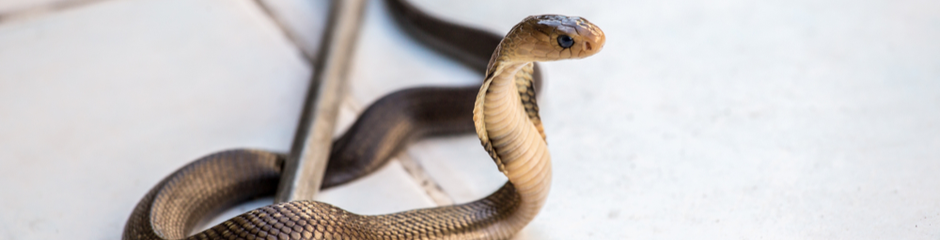
Snakes can be unwelcome house guests. Whether you see one slither in the flesh or find snake droppings and shed skin, sharing your living space with a snake can bring on a case of the heebie-jeebies.
Although many types of snakes are harmless and more afraid of you than you are of them, snakes can be problematic when infestations occur. These problems include some health risks such as salmonella bacteria exposure and, of course, snake bites.
In this article, we’ll share some of the common signs snakes leave behind when living in a home, ways you can get rid of snakes, and how to prevent them from entering in the first place.
Although they are quiet and generally keep to themselves, snakes leave some telltale signs of their presence nearby. The following are some of the most common signs of having a slithering companion in your home.
As snakes grow, they molt their skin and leave the shed skin behind. It can look leathery or plastic and translucent. The shed skin might be in one piece, which can be a good indicator of the snake’s size.
People with experience can tell the species of a snake just by the shed skin, which can help you determine if there is a venomous snake, such as a copperhead snake, wandering around your home. You might come across molted snake skin in the garage, basement, attic, crawl space or utility room, where snakes can hide easily.
Snakes can leave slither tracks on dusty or dirty surfaces. The track shape can vary depending on the type of snake, its size and shape, terrain and temperature. Depending on the method of movement, tracks can appear S-shaped, accordion-style, side-winding and even straight.
Although pet snakes rarely smell strange or foul, snakes in the wild give off a noticeable, off-putting scent that people often describe as musky and gross. Snakes emit these smells from the glands on both sides of the excrement opening called the cloaca. Sometimes snakes emit the foul-smelling odor and poop simultaneously, creating an unpleasant stench in the area.
Other than the feared sound of rattling or hissing, snakes are silent. However, they can make things go bump in the day or night. Depending on their hideout location, their body movement can make noise and cause objects to fall. For instance, if you hear strange noises in the crawl space or your lawn tools fall over in the garage, it could be a snake making its move.
An absence of rodents or other small mammals can be a good thing. But if mice and rats are a normal observation in or around your home and mysteriously disappear, you might have a snake in your home.
Do snakes poop? You bet they do. Like all creatures, great and small, snakes poop. When you find collected fecal matter in or near your home paired with another of these signs, you can assume snakes live nearby.
Similar in appearance to bird droppings, snake scat is a mixture of snake feces and uric acid excreted through a single opening on the underside of the snake. It looks loglike and is mostly brown with a chalky white tip. The size of snake excrement varies from snake to snake. A small, young garter snake will produce much smaller poop than an adult kingsnake.
A snake infestation in your home can become a serious issue and pose some health risks. Contact your local animal control or pest control for snake removal when you suspect or have sighted snakes in your home. Wildlife removal organizations or businesses can safely remove the snake and offer ways to prevent them from coming back.
There are some effective ways to keep snakes outdoors and away from your home. These include removing food and water sources and places they like to hide. The following are some ways you can deter snakes.
Some maintenance around the exterior of your home can help keep snakes and other pests out. Do a quick walk around and make a checklist of things that invite snakes into your home, such as:
The thought of snakes instills fear in a lot of people, but there are ways you can tell the type of snake in your home and get rid of it quickly.
What does snake poop look like? This question is very common, and you can identify snake droppings, also known as snake scat, by their brown tubular log shape and unique white urea cap. Because snakes are carnivores, snake poop might also contain bones and hair from their prey, making it easy to confuse with bird droppings.
Finding snake feces can tell you a lot about the type of snake you’re dealing with. Although you cannot know the exact species by studying the appearance and contents of snake poop, you can get a good idea about the type of snake and its size.
For instance, snake scat that contains scales shows the snake eats other snakes. Species such as the coral snake eat other snakes besides their regular diet of small mammals and birds.
Many snake-repellent options are sold in stores or made at home. The best snake repellent for your home is easy to use, safe for you and any household pets, and effective.
As long as a snake can find food, water and shelter, it can stay in your house for months.
Cinch Home Services brings a fresh approach to home protection. It’s a simple and easy-to-understand home warranty plan to give you peace of mind.
When things break down, Cinch has a plan. Choose from Cinch Repair Only, Repair Plus Replace or Repair Plus Replace Premier plans. Repairing problems can help protect you and your home from snakes. Reach out today for an instant quote!

Please contact rbb Communications:

Your plan and pricing are waiting.

Request service, check coverage and more.