
The easiest way to tell if your water softener is working is to test the water after it passes through the softener. Softened water should test as "soft," which Penn State Extension defines as less than 1 grain per gallon (gpg) of hardness. If you don't have test strips handy, a few quick checks around the house can also tell you whether your softener is doing its job.
How a water softener works (in 30 seconds)
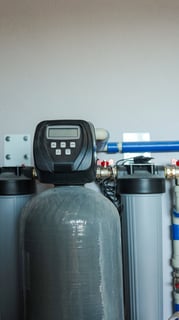
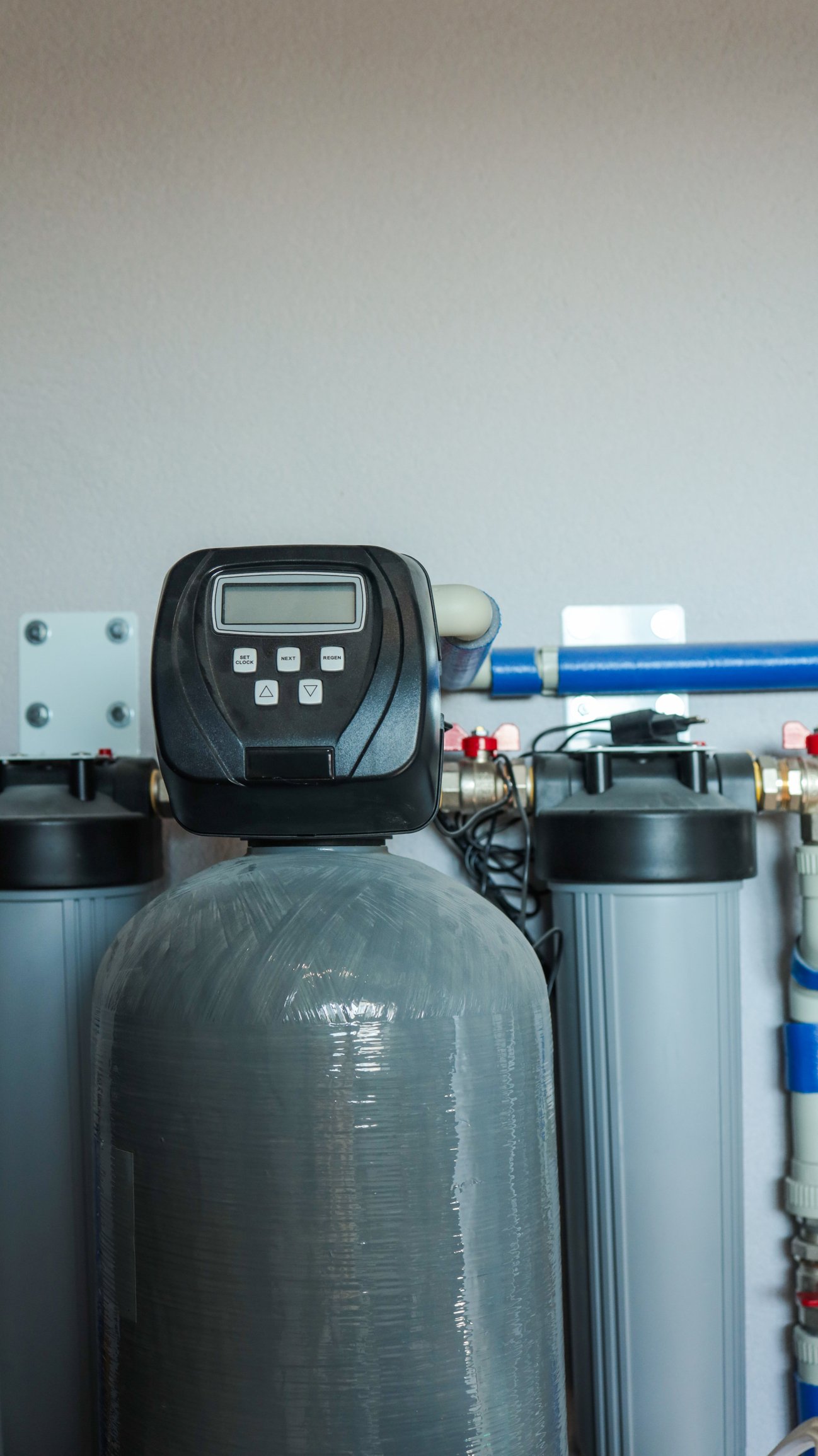
Hard water contains calcium and magnesium. A water softener removes them through a process called ion exchange. Water flows through a tank of resin beads coated with sodium, and the resin trades its sodium for the calcium and magnesium in your water.
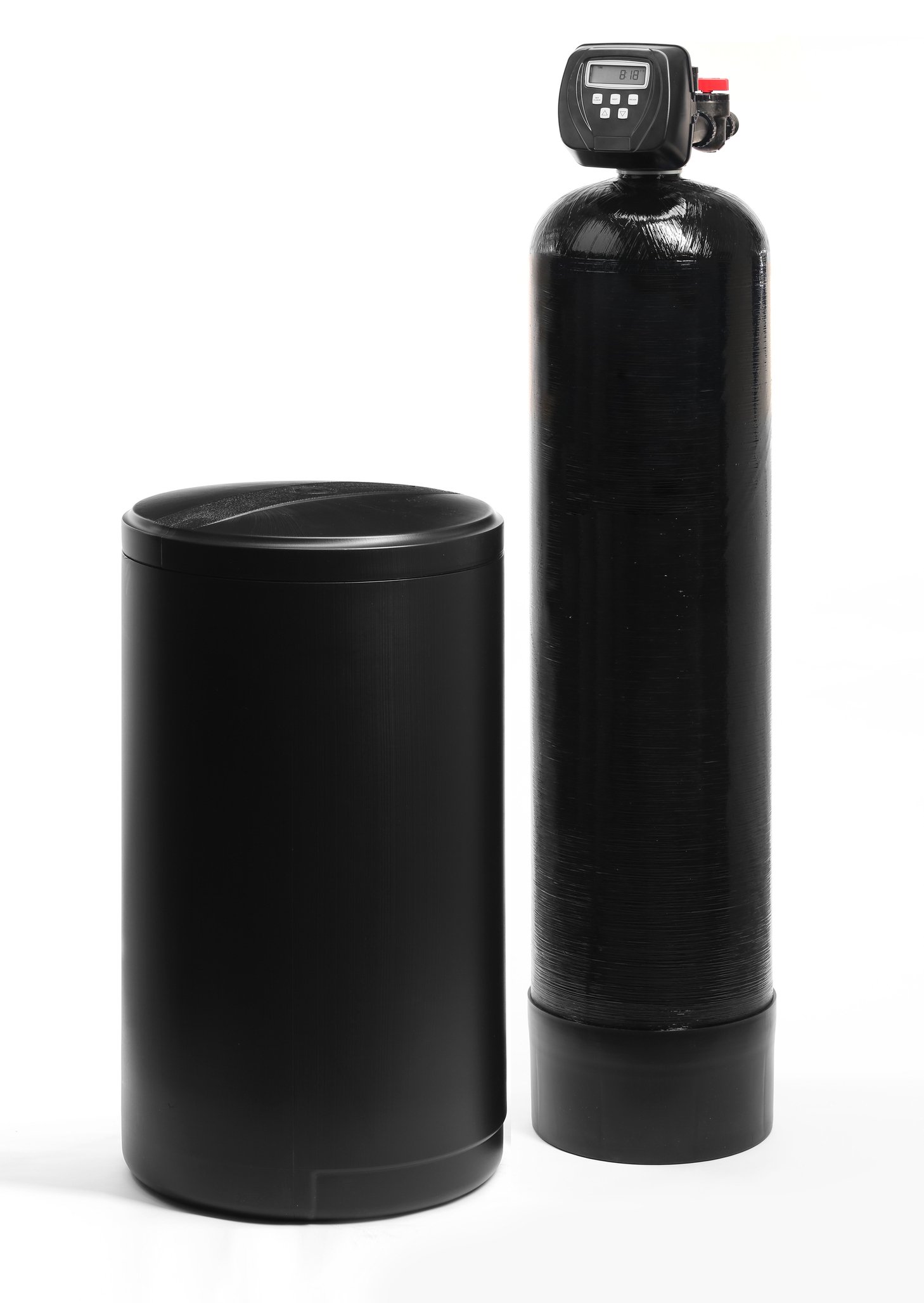
Over time, the resin fills up and needs to be recharged. During a regeneration cycle, the softener flushes the resin with salty water (brine) from the brine tank. Penn State Extension notes that each regeneration uses about 50 gallons of water. That's why your softener needs a steady supply of salt to keep working.
How we built this list
We used Penn State Extension's water softening guidance and ordered these checks from most to least reliable. The first check gives you a measurable answer, and the others help you narrow down the cause.
5 ways to check your water softener
1. Test your water hardness
How: Use hardness test strips or a test kit on water from a faucet that runs through the softener. Compare the result with Penn State Extension's hardness scale:
|
Classification |
Grains per gallon (gpg) |
mg/L |
|
Soft |
Less than 1.0 |
Less than 17 |
|
Slightly hard |
1.0 to 3.5 |
17 to 60 |
|
Moderately hard |
3.5 to 7.0 |
60 to 120 |
|
Hard |
7.0 to 10.5 |
120 to 180 |
|
Very hard |
More than 10.5 |
More than 180 |
What it means: A reading above "soft" suggests the softener isn't removing enough hardness. For the most accurate result, Penn State Extension recommends an independent lab test.
2. Do the soap lather test
How: Add a few drops of liquid soap to a bottle of tap water, cap it and shake.
What it means: Soft water makes plenty of suds. Hard water makes few suds and leaves the water cloudy.
3. Check the salt level
How: Lift the brine tank lid and look at the salt.
What it means: If the salt level hasn't dropped in several weeks, the softener may not be regenerating. If the tank is empty, add salt.
4. Look for a salt bridge
How: Gently push a broom handle down into the salt.
What it means: If you hit a hard crust with empty space underneath, you have a salt bridge. The salt isn't reaching the water, so the softener can't make brine. Carefully break up the crust and check the level again.
5. Confirm the softener is regenerating
How: Check the control panel for the time, the regeneration schedule and any error messages.
What it means: Timed softeners regenerate on a schedule, while demand-controlled models regenerate after a set amount of water use. A power outage can reset the clock and throw off the schedule.
Signs your water softener isn't working
Penn State Extension names scale, soap film and detergent curds as common signs of hard water. Watch for:
-
White spots on dishes, glassware and faucets
-
Scale buildup on fixtures and showerheads
-
Soap and shampoo that don't lather well
-
Soap scum in tubs and sinks
-
Laundry that feels stiff
When to call a pro
Some softener problems need professional help. Penn State Extension notes that cloudy water can clog the resin with mud and clay, bacteria or fungi can form mats in the resin, and iron in the water can foul it. Valve, motor and control problems also need a service provider.
Water softener coverage from Cinch Home Services
Water Softeners are available as an optional add-on to Cinch Home Services plans, so you can add coverage for your softener alongside the systems and appliances your plan already covers. Add-ons must be purchased within 30 days of your plan's effective date. Subject to plan terms and conditions. Learn more about our plumbing repair and warranty plan, see what a home warranty covers or compare plans and coverage.
The product being offered is a service contract and is separate and distinct from any product or service warranty which may be provided by the home builder or manufacturer.
Methodology and sources
Water hardness levels, how softeners work and resin fouling causes come from Penn State Extension. Checks are ordered from most to least reliable. Last updated: November 2026.
Frequently asked questions
How do I know if my water softener is working?
Test the water after the softener. A reading under 1 grain per gallon means it's soft, per Penn State Extension. Good lather and no new spots or scale are other signs it's working.
How can I test my water hardness at home?
Use hardness test strips or a home test kit. For the most accurate result, use an independent lab.
What is a salt bridge and how do I fix it?
A salt bridge is a hard crust of salt in the brine tank that keeps salt from reaching the water. Gently break it up with a broom handle.
How often should a water softener regenerate?
It depends on your water hardness, household water use and softener capacity. In one Penn State Extension example, a four-person home with 10 gpg hardness regenerated about every six to seven days.
How long do water softeners last?
It varies by model, water quality and maintenance. Keeping salt topped off and the resin clean helps the system last.
Does a home warranty cover water softeners?
Water Softeners are available as an optional add-on to Cinch Home Services plans. Subject to plan terms and conditions.
The information in this blog library is intended to provide general guidance on home warranties, and on the proper maintenance and care of systems and appliances in the home. Not all of the topics mentioned are covered by our home warranty or maintenance plans. Please review your home warranty contract carefully to understand your coverage.
Our blog library may link to third-party sites that offer products, services, coaches, consultants, and/or experts. Any such link is provided for reference only and not intended as an endorsement or statement that the information provided by the other party is accurate. We are not compensated for any products or services purchased from these third-party links.