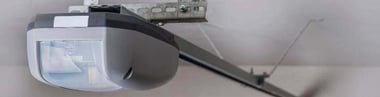
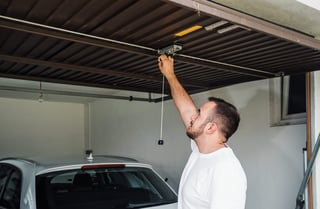

If you hear your garage door opener running but the door won't move, the opener is usually disconnected from the door, out of adjustment or dealing with a worn part. Some causes take a minute to fix. Others, like a broken spring, need a trained technician. Here's how to tell the difference safely.
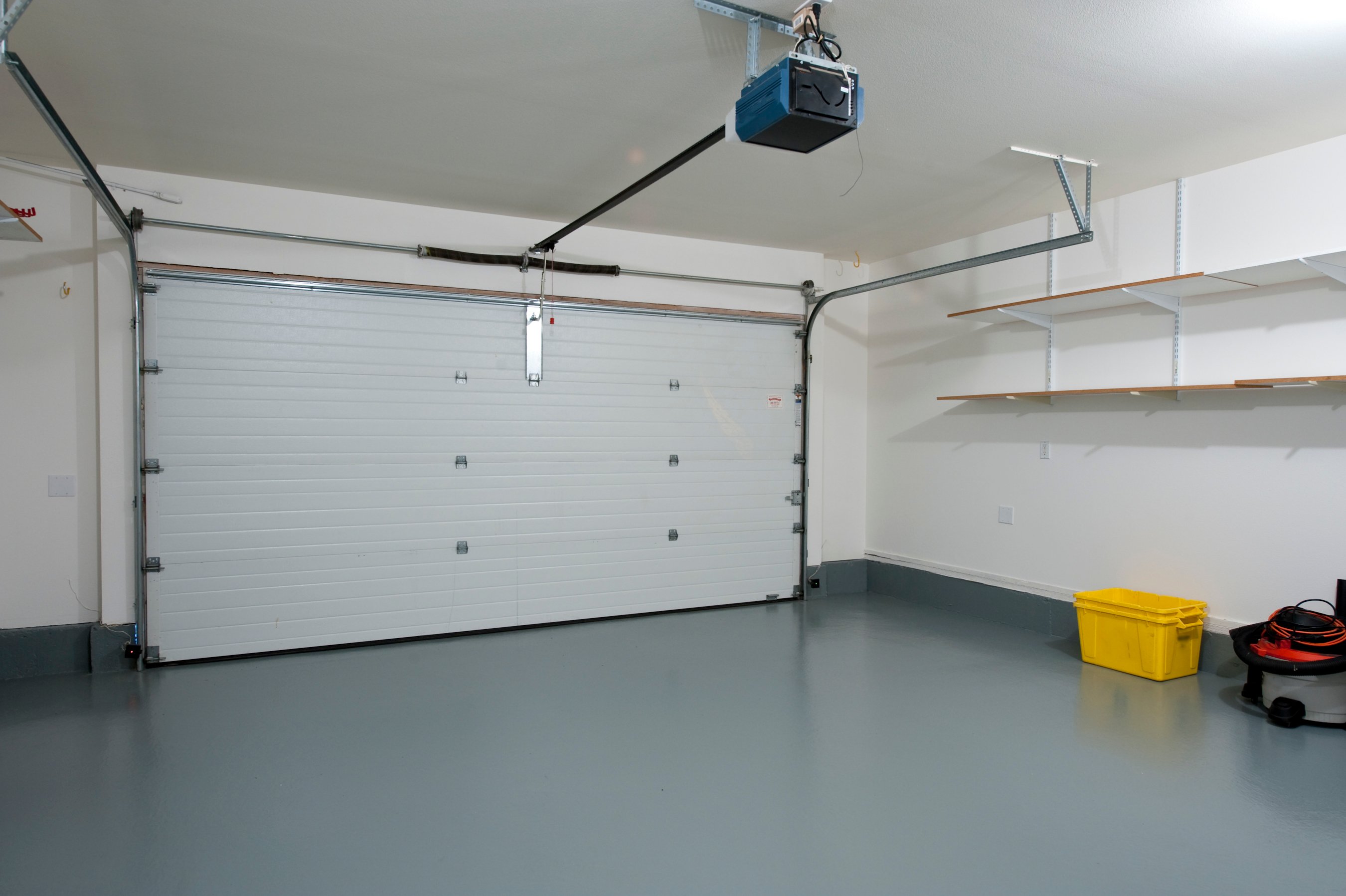
Safety first
Garage doors are heavy, and the springs and cables that lift them are under high tension. Before you troubleshoot:
-
Make sure no people, pets or cars are in the doorway.
-
Don't touch springs, cables or the drums they wind around.
-
If the door looks crooked or a spring is visibly broken, don't operate the door.
How we built this list
We ordered these causes from the quickest DIY checks to the problems that need a professional. Steps for the stop bolt issue come from Chamberlain, a major garage door opener manufacturer. Each item covers what it is, what to look for and whether it's safe to fix yourself.
5 reasons the motor runs but the door doesn't move
1. The emergency release was pulled
What it is: Every opener has a red emergency release cord. When it's pulled, the trolley disconnects from the door so you can open it by hand. The motor still runs, but it isn't connected to the door.
What to look for: The trolley moves along the rail, but the door stays put.
What to do: Follow your opener's manual to reconnect the trolley. On many models, you run the opener until the trolley clicks back into place.
DIY or pro: DIY.
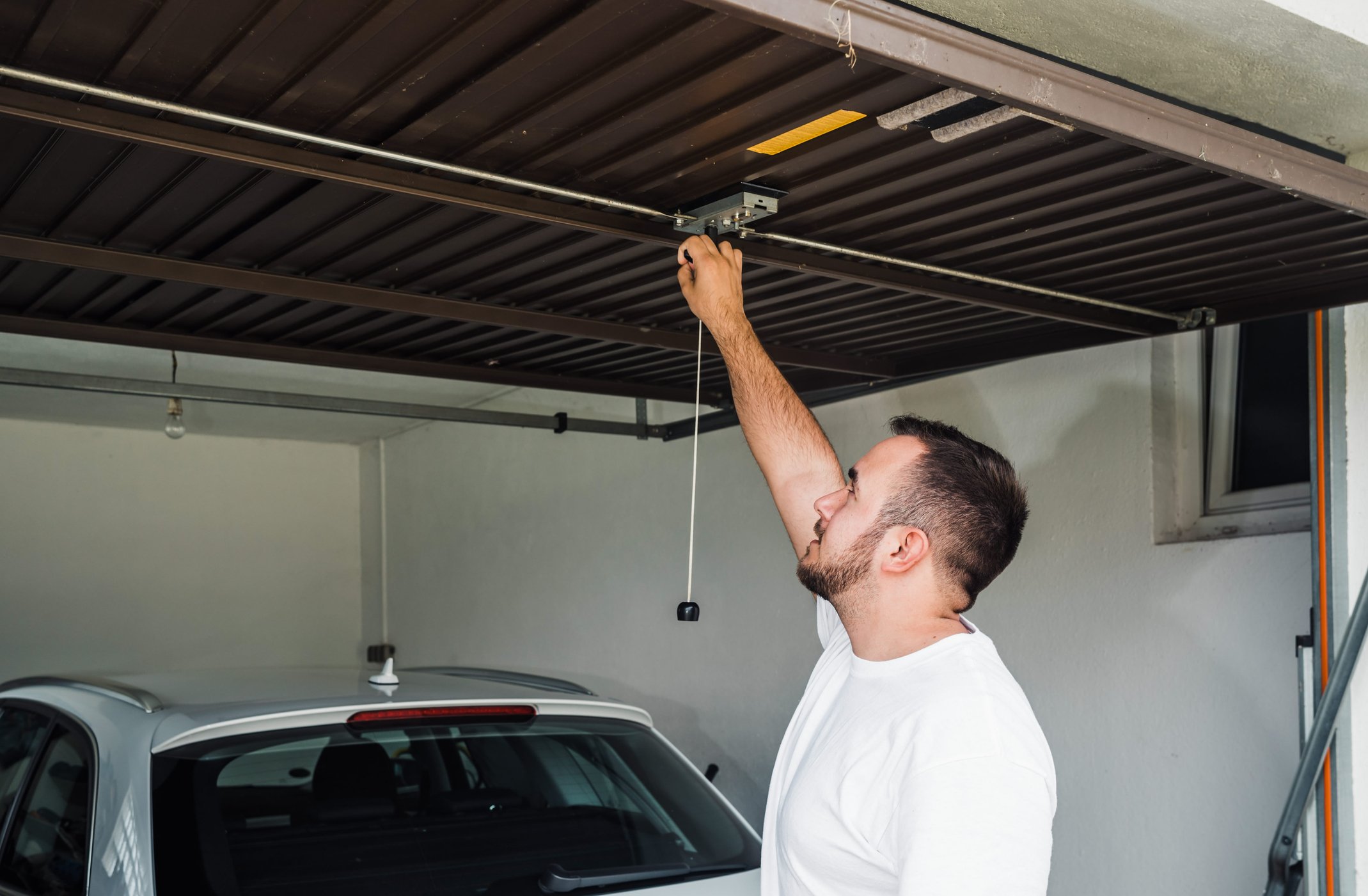
2. The trolley is stuck on the stop bolt or stop tab
What it is: Chamberlain explains that if the door travels too far, the trolley can get stuck against the stop bolt or stop tab on the rail. The motor hums, but the door doesn't move. This is usually a travel limit that's out of adjustment.
What to do: Chamberlain's steps involve disconnecting the door with the emergency release, loosening chain or belt tension, running the opener to free the trolley and then reducing the up or down travel setting. Follow the instructions for your model.
DIY or pro: DIY if you're comfortable following the manufacturer's steps.
3. The door is locked
What it is: Some garage doors have a manual slide lock. If it's engaged, the opener can't lift the door.
What to do: Check for a lock bar on the inside of the door and slide it open.
DIY or pro: DIY.
4. A stripped drive gear or sprocket
What it is: In many chain and screw drive openers, a plastic gear inside the motor housing turns the drive. Over time, the teeth can wear down. The motor runs, but the gear can't move the chain.
What to look for: A grinding sound, or the motor runs while the chain or belt doesn't move.
DIY or pro: Call a pro. Gear replacement means opening the motor housing.
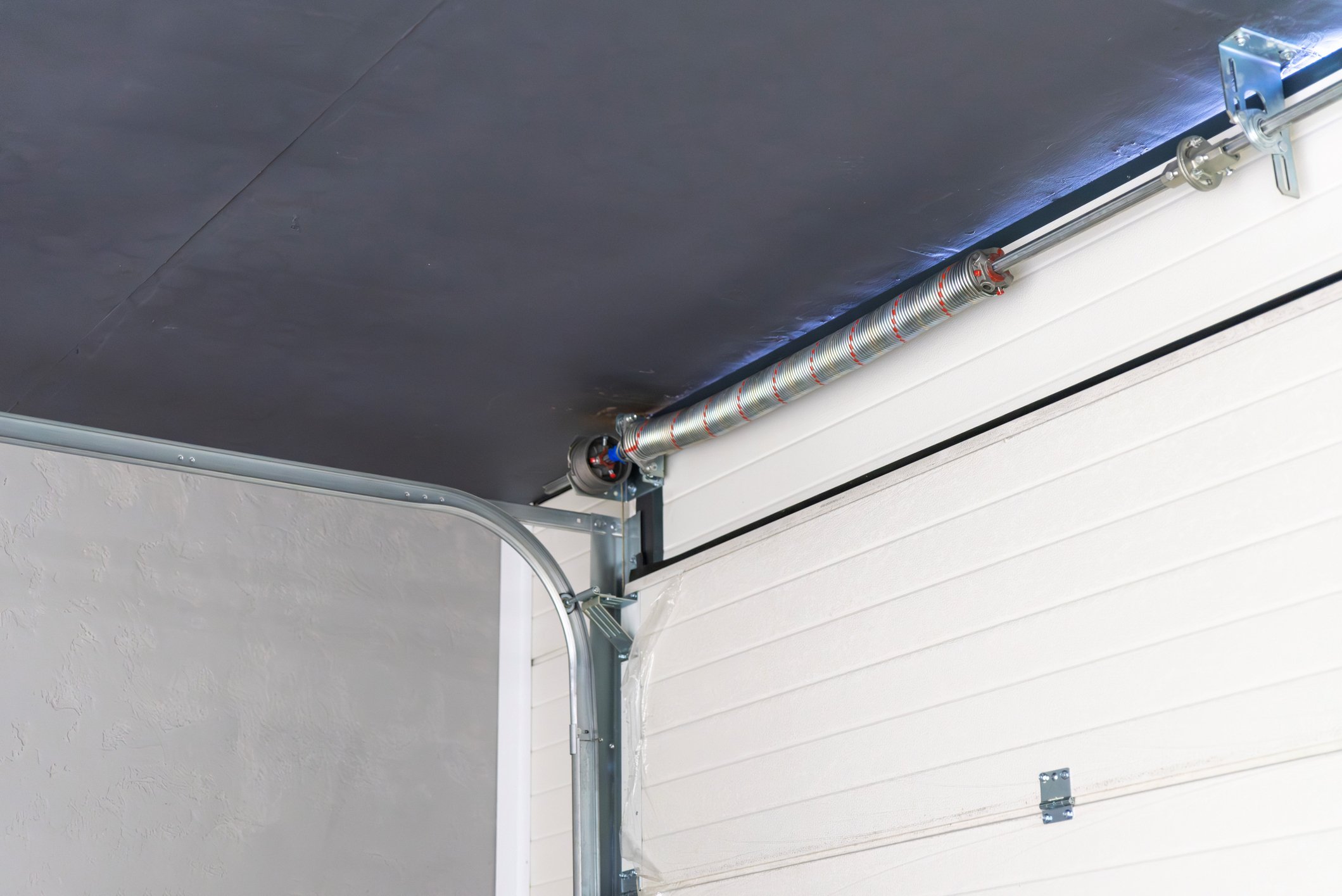
5. A broken spring or cable
What it is: Springs do most of the heavy lifting. If one breaks, the opener may run but can't raise the door.
What to look for: A loud bang from the garage, a visible gap in a torsion spring above the door or a door that's crooked or very heavy.
What to do: Stop using the door.
DIY or pro: Call a trained garage door technician. Never attempt spring or cable repairs yourself.
Test the safety reversal after any fix
After any adjustment, test your opener's safety reversal system. Chamberlain says the door must reverse when it touches a 1-1/2 inch high object, such as a 2x4 laid flat on the floor in the door's path. If it doesn't reverse, have the opener serviced before you use it again.
Repair or replace the opener?
If your opener is older or needs a major part, replacement may make more sense. Learn how to replace a garage door opener and the things to keep in mind when replacing your garage door motor.
How a home warranty can help
Garage Door Openers are a covered item under Cinch Home Services plans. When a covered opener breaks down from normal wear and tear, a home warranty helps cover the cost of the repair, and we'll send a pre-screened service provider to diagnose and fix the issue. See what a home warranty covers or compare plans and coverage. Subject to plan terms and conditions.
The product being offered is a service contract and is separate and distinct from any product or service warranty which may be provided by the home builder or manufacturer.
Methodology and sources
Stop bolt and safety reversal guidance comes from Chamberlain's support library. Causes are ordered from quick DIY checks to professional repairs. Last updated: November 2026.
Frequently asked questions
Why is my garage door motor running but the door won't open?
The most common causes are a pulled emergency release, a trolley stuck on the stop bolt, a locked door, a stripped drive gear or a broken spring.
How do I reconnect my garage door to the opener?
Follow your opener's manual. On many models, you run the opener until the trolley reconnects with a click.
What does it mean when the garage door opener hums but doesn't move?
Chamberlain says a humming motor with no door movement is often a trolley stuck against the stop bolt or stop tab from a travel mis-adjustment.
Can I fix a stripped garage door opener gear myself?
It's best left to a pro, since it means opening the motor housing.
Is it safe to open a garage door with a broken spring?
No. Stop using the door and call a trained garage door technician.
Does a home warranty cover garage door openers?
Garage Door Openers are a covered item under Cinch Home Services plans. Subject to plan terms and conditions.
The information in this blog library is intended to provide general guidance on home warranties, and on the proper maintenance and care of systems and appliances in the home. Not all of the topics mentioned are covered by our home warranty or maintenance plans. Please review your home warranty contract carefully to understand your coverage.
Our blog library may link to third-party sites that offer products, services, coaches, consultants, and/or experts. Any such link is provided for reference only and not intended as an endorsement or statement that the information provided by the other party is accurate. We are not compensated for any products or services purchased from these third-party links.