
-
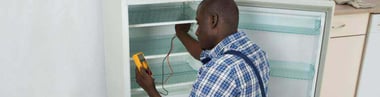
The average appliance repair cost is $179 in 2026. Most homeowners pay between $108 and $251.
-
Appliance repair cost per hour runs $50 to $150, plus a service call fee of $50 to $200.
-
Refrigerator repair cost is $300 to $1,000, averaging $650 — the most expensive common appliance repair in the home.
-
Dishwasher repair cost is $160 to $300, averaging $200.
-
Washing machine repair costs $125 to $450, averaging $180.
-
Clothes dryer repair cost is $100 to $430, averaging $180.
-
Oven repair cost for a wall oven is $130 to $310, averaging $200.
-
Microwave repair cost is $100 to $200, averaging $175 — the least expensive repair on this list.
-
Ice machine repair cost for a freestanding unit is $200 to $300, averaging $260.
-
Small appliance repair — toasters, blenders and coffee makers — costs $50 to $100.
-
Under the 50/50 rule, replace an appliance when it is more than halfway through its expected life span and the repair would cost more than 50% of a new unit.
-
Most major appliances last 10 to 15 years.
As a homeowner, you’ve likely found yourself in the situation where your appliances have malfunctioned in one way or another. Perhaps you opened your washing machine and noticed the water didn’t drain completely, or you came home to a warm refrigerator and spoiled food.
A sudden breakdown can be inconvenient. While you can’t predict when an appliance will crash, it helps to know how much repairs and replacements can cost so you can budget to keep your appliances in good working order — and why it might make sense to look into a home warranty.
What is the average home appliance repair cost?
The average cost of an appliance repair varies based on the geographic location, type of repair and appliance type. It also costs more to fix older or more expensive appliances. The overall national average appliance repair cost is $179, and most homeowners pay between $108 and $251. Larger, more complex appliances sit well above that average — a refrigerator repair now runs $300 to $1,000.
So what is the going rate for appliance repair? Repair technicians charge $50 to $150 per hour in 2026. Most also add a one-time service call fee of $50 to $200 to cover the trip, and many charge a diagnostic fee of $60 to $100 that gets credited toward the repair once you approve the work. Ask which of those apply before you book, because two of the three are often negotiable.
Small appliance repair sits at the low end of the scale. Countertop units such as toasters, blenders, coffee makers and stand mixers typically cost $50 to $100 to fix, which is often close to what a replacement would cost. That is one reason many homeowners skip the repair on small appliances and put the money toward the larger ones instead.
Those numbers add up quickly across a kitchen and laundry room, which is why many homeowners cover their major appliances under an Appliances Plan,¹ paying a flat monthly fee and a one-time service fee per claim instead of the full retail repair bill.
Cost estimates throughout this article come from HomeAdvisor’s cost guides.
Here are the average appliance repair pricing estimates for 2026.
What’s the average refrigerator repair cost?

When it comes to kitchen appliances, the refrigerator has one of the biggest impacts on the house if it stops working. It is also the most expensive appliance in the home to fix. So how much does it cost to repair a fridge? The average cost of repairing a refrigerator is $300 to $1,000, averaging $650, depending on what’s broken.
What is the most expensive thing to fix on a refrigerator? The control board — the component that governs every other part of the appliance. Replacing one costs $80 to $800, with an average near $440, and the ceiling is higher than any other single part. The compressor, which does the actual cooling, costs $200 to $450 to replace. When a compressor fails on an older unit, though, the sealed system work that goes with it often pushes the total past the point where a repair makes financial sense.
Other common refrigerator repairs and what they cost in 2026:
-
Evaporator coils: $100 to $44
-
Defrost motor: $100 to $440
-
Thermostat: $100 to $440
-
Door seal: $50 to $440
-
Ice maker: $60 to $330
-
Drip pan: $50 to $440
-
No water or ice from the dispenser
-
Ice maker stops making ice
-
Ice buildup in the refrigerator
-
Leaking water
Now that we’ve covered the average refrigerator repair cost, let’s look at refrigerator repair cost per hour. Refrigerator repair technicians charge $45 to $120 per hour, plus a one-time service fee of $150 to $200 that covers the trip and overhead. Expect a diagnostic fee of $60 to $100 on top of that when a pro comes out to pinpoint the issue, though many credit that charge toward the repair once you approve the work. If your fridge needs parts the technician doesn’t carry, budget for two visits. The average life span of a refrigerator is 10 to 15 years, and a well-maintained unit can run longer than that.
Some of the most common refrigerator problems include:
-
No water or ice from the dispenser
-
Ice maker stops making ice
-
Ice buildup in the refrigerator
-
Leaking water
What’s the average microwave repair cost?
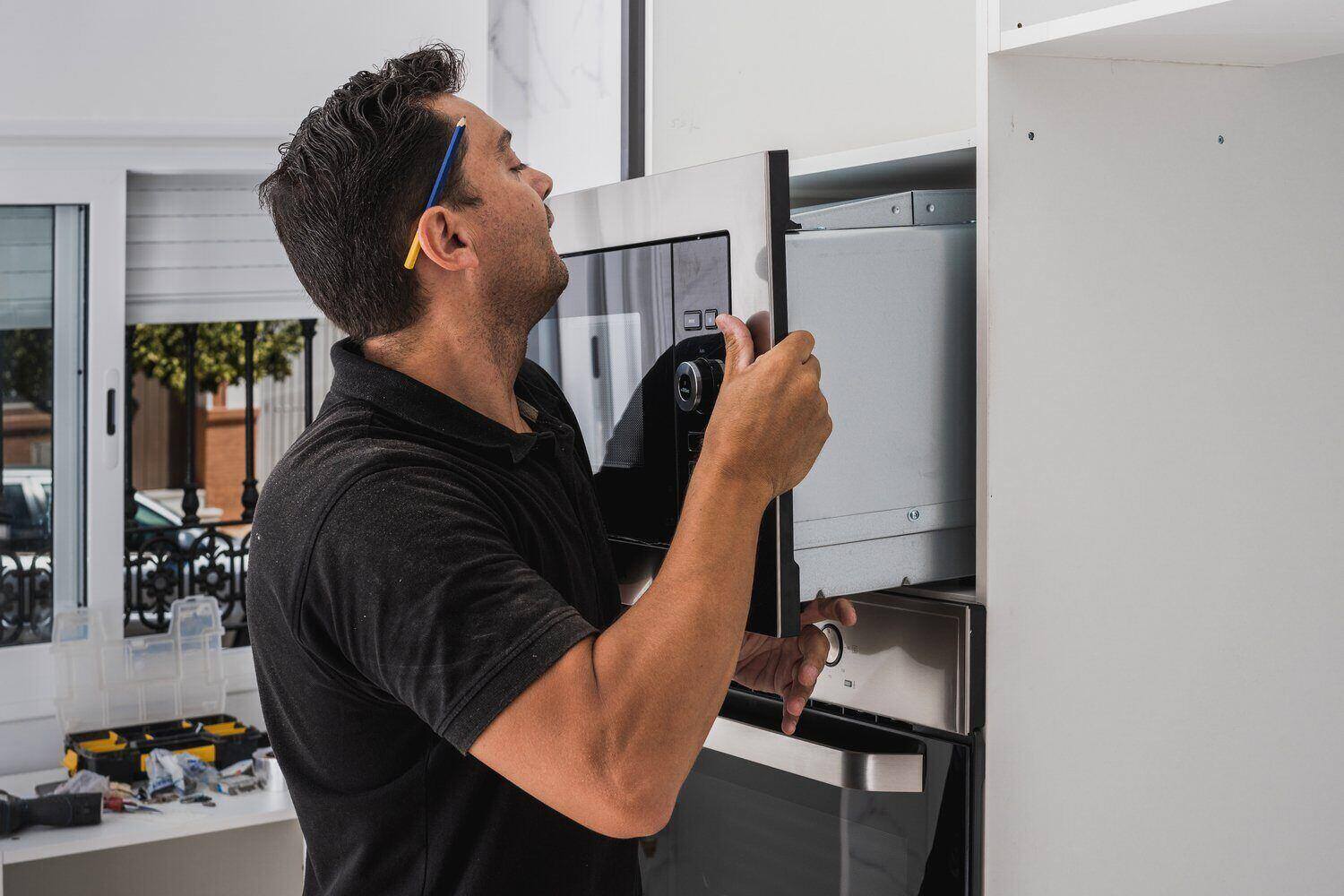
The microwave is one thing that most of us use on a daily basis. Whether we are heating up leftovers or taking a shortcut on a recipe, it adds great convenience to our lives. But eventually, all things break down with wear and tear. When this happens, you’ll likely ask yourself, how much does microwave repair cost?
If your microwave breaks, the cost of microwave repair can be stressful if it’s not part of your budget. Microwave repair costs $100 to $200, averaging $175 — the least expensive repair on this list. Built-in and over-the-range models cost more to fix than countertop units, simply because a technician has to work harder to reach the parts.
The magnetron is the component that actually generates the heat, and replacing one costs $100 to $200. A failing control board runs $100 to $300, and a cracked door or broken latch means a full door assembly at $200 to $500 — the one microwave repair that can cost more than a replacement countertop unit.
While fixing your microwave may be less daunting than facing cooktop repair costs, it is still an unexpected expense. The most frequent repair for over-the-range microwaves is the door latch. This issue occurs when the door remains ajar, and the microwave won’t run when it doesn’t close.
Other common problems are broken turntable trays and malfunctioning exhaust fans. When debating whether to repair the microwave, consider that its average life span is nine to 10 years. Again, while a stove repair cost may be more, the simplicity and ease that a microwave brings make it worth it.
-
Common microwave complaints include:
-
Control panel buttons not working
-
Unusually loud sounds
-
Doesn’t heat properly
-
Door won’t close or lock
What’s the average dishwasher repair cost?

The dishwasher is a time-saving convenience that makes it easy to keep dirty dishes out of sight. Dishwasher repair costs $160 to $300, averaging $200, though minor fixes start around $70 and a major failure can reach $600. Usually, most people don’t worry about the cost of dishwasher repair until it’s too late.
If you are worried about having to deal with a rising dishwasher repair cost, a home warranty plan with a low monthly fee helps cover the repair, subject to your plan terms.
When it comes to a dishwasher, the parts that break down most frequently are the inlet valve, which controls water flow into the dishwasher, and the wash arm — both inexpensive fixes. The expensive ones sit deeper in the machine: a drain pump replacement costs $100 to $400, a heating element runs $200 to $350 and a motor replacement reaches $350 to $500, because the technician has to pull the whole unit out to get to it.
Dishwashers last eight to 15 years. If yours is near the top of that range and needs a motor, a home warranty or a replacement is usually the better use of your money than the repair.
Frequent dishwasher issues include:
- Dishes don’t get clean
- Doesn’t dry thoroughly
- Doesn’t drain
- Control panel doesn’t work
What’s the average garbage disposal repair cost?
You’ll generally need to call a plumber to repair the garbage disposal, and garbage disposal repair costs $140 to $310, averaging $230. Plumbers charge $50 to $120 per hour, and many add a minimum site fee of about $50 on small jobs.
Repairs are most often needed because the garbage disposal is clogged, jammed or leaking. Leaks are the expensive category — a worn seal or cracked housing costs $150 to $700 to resolve. When a garbage disposal leaks, has frequent clogs or is past 10 years old, it may be time to replace it rather than repair it. Disposals last 10 to 12 years, and replacement units are inexpensive enough that the math tips early.
Signs of garbage disposal problems include:
- It’s jammed, so food drains slowly or backs up
- Won’t turn on
- Leaks
- Hums but doesn’t work
What’s the average wall oven repair cost?
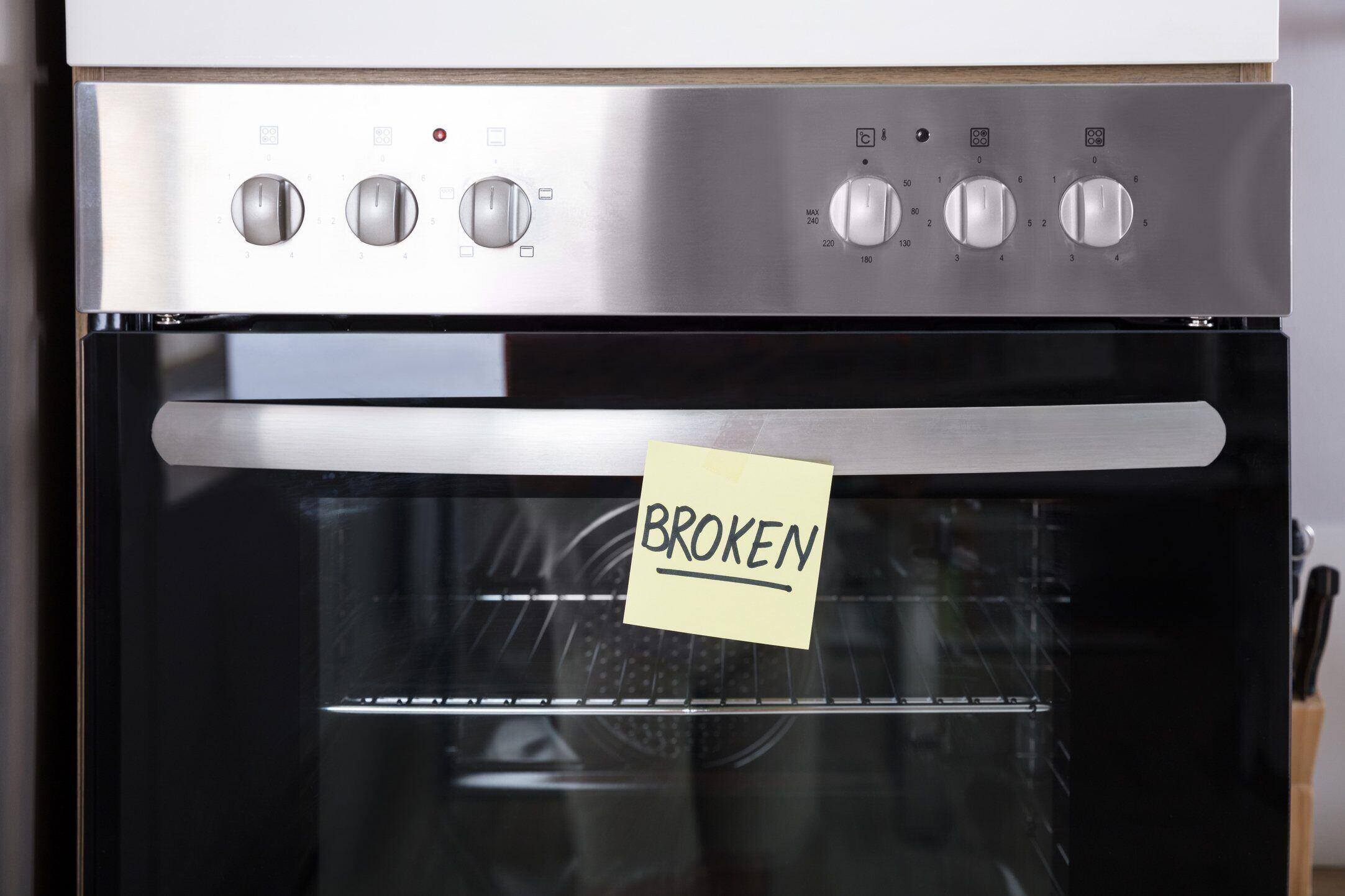
Sooner or later, an oven will fail — hopefully not right before you host a big dinner on a holiday or special occasion. When it comes to figuring out oven repair costs, most people have no idea what to predict. Does it make sense repairing an oven, or should you just look into purchasing a new one? How expensive is an electric oven repair cost? Is a gas oven repair cost something you can afford? If these are the kinds of questions swirling in your head, we’re happy to provide some answers.
If your wall oven breaks, oven repair costs $130 to $310, averaging $200. The full range runs $100 to $600 depending on the part, and gas ovens sit at the higher end because of the extra safety work involved with gas lines and igniters.
There are several problems common in wall ovens. These include a door that won’t latch, which keeps the oven from turning on. Another is a faulty temperature sensor that prevents the oven from heating to the correct temperature. A burned-out interior light is another issue, requiring a replacement lightbulb. A gas igniter replacement costs $150 to $325, and a burned-out heating element runs $150 to $450. Accessibility matters more with wall ovens than with any other appliance — if yours is built tightly into cabinetry, expect to pay toward the top of the range. Expect a gas range to last 15 years and an electric range to work well for 13 years or more.
Wall oven worries typically include:
- Won’t heat
- Too noisy
- The door sticks or doesn’t close
- The fan doesn’t work
What’s the average freestanding ice maker repair cost?
While the ice maker in the refrigerator is convenient, it might not produce enough ice if you host large groups. One solution is a freestanding ice maker. These are installed under the counter and connect to a water line.
Repairing a freestanding ice maker costs $200 to $300, averaging $260. That ice machine repair cost covers most standard under-counter units. Appliance repair technicians charge $75 to $125 per hour for this work, and a unit tucked into a tight cabinet costs more because of the time it takes to reach.
The water inlet valve is usually the first part to fail, and replacing it costs $100 to $250. Clogged water lines run $70 to $200 to clear. Motor and gear problems are less common but more involved at $120 to $400. Ice makers with an advanced filtration setup add $100 to $200 for filter replacement, though a basic filter costs as little as $10.
Common ice maker issues include:
- It doesn’t make ice
- The condensers are clogged
- It’s noisy
- The ice tastes bad
What’s the average washing machine repair cost?

Anyone who has had to haul laundry for the family to the laundromat knows how inconvenient a broken washing machine can be. When this happens, it’s easy to stress over washing machine repair costs. With so many bills stacked up, having washer repair costs loom over your head can be frustrating. So, how much is a washing machine repair? Will it be a few hundred dollars, or are you looking at thousands? We’ve got some answers to guide you in the event you are faced with the cost for washing machine repair.
Washing machine repair costs $125 to $450, averaging $180. Minor fixes such as an inlet valve start around $50, while the full range reaches $900 for a drum replacement. Front-load models cost more to repair than top-loaders, running $100 to $400 for the same class of job.
With the risk of water damage to your home, experts advise repairing your washer as soon as you become aware of an issue. Parts that often break on washers are the drain pump that removes water from the drum and the tub bearings that help it spin smoothly. Bearings cost $150 to $200 to replace, a drain hose runs $130 to $250 and a clutch is $230 to $300. The drum is the one to watch at $400 to $900 — on a washer near its 10- to 13-year life span, that repair rarely pencils out.
Common washing machine problems include:
- Mold forming in front-loader washers
- Drum not spinning
- The machine won’t drain
- The control panel or dials don’t work
What’s the average clothes dryer repair cost?
A broken dryer leads to the challenge of hanging wet clothes on the shower rod or spending quality time at the laundromat. This is something that no one looks forward to. However, if you’re faced with these unfortunate circumstances, it’s important that you understand washer and dryer repair costs. If you had to guess, what would you say the average clothes dryer repair cost was? Would you expect a service call to be a couple hundred bucks? Or would you be prepared to pay for a new part that’s needed and will likely cost you a bit more? No matter what your anticipated dryer repair cost may be, it will certainly be an unplanned expense that sets you back.
So, how much to repair a dryer should you expect to pay? Dryer repair costs $100 to $430, averaging $180. Keep in mind that a gas dryer repair costs $50 to $100 more than the same job on an electric dryer, because the parts are harder to source.
A common complaint about dryers is a broken thermal fuse, which protects the appliance from overheating. Another is a broken heating element, which warms the air that blows through the dryer — that fix costs $150 to $350. A dryer that won’t heat at all runs $80 to $420 to diagnose and repair, and an overheating dryer costs $90 to $320. Treat overheating as urgent rather than inconvenient, because lint buildup and a failing thermostat together are a fire risk. Most technicians also add a $50 to $80 service fee. Expect a dryer to last eight to 12 years.
The biggest dryer complaints include:
- Clothes don’t get dry
- Damaged motor, dryer belt or drum rollers
Why you need to prepare for home appliance repairs
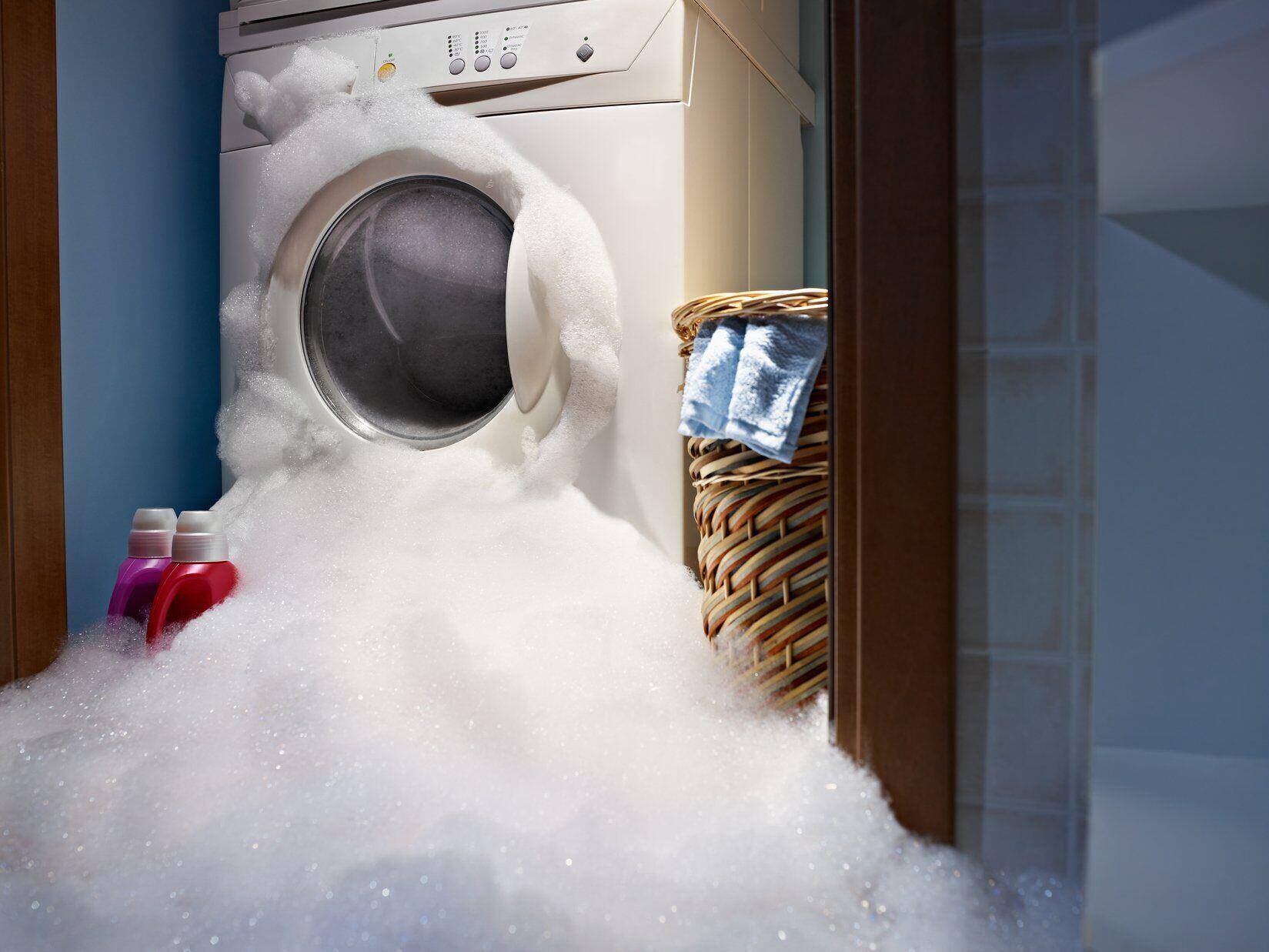
Over time, regular use causes parts in an appliance to break or wear out. When that happens, it will function poorly or stop working altogether. While it can be hard to predict an emergency expense, you can prepare for one with a home warranty.
Let’s say your dishwasher stops draining, or your refrigerator decides your groceries are better off at room temperature. Typically, you’ll face large, unexpected bills for parts and services to repair or replace those items. With a home warranty plan, normal wear-and-tear expenses are less likely to break the bank.
With a Cinch Home Services Appliances Plan,¹ you pay a modest monthly fee that works for your budget and home coverage needs. If a covered appliance breaks down, you’ll pay a one-time service fee (a deductible) at the time you place your claim, which pays for your share of the claim cost, not including any non-covered amounts or amounts over caps limits that you would be responsible for, if any.
If you want coverage that stops at repairs, a Repair Only plan helps cover the cost of fixing covered items. If you’d rather have the option of a replacement when a covered appliance can’t be repaired, a Repair + Replace plan adds that. Covered items, caps and exclusions vary by plan, so review your plan terms to see what applies to your home.
How much does an appliance service call cost?
What is an appliance service call? Simply put, this occurs when an appliance stops working and a repair technician is called to come over and diagnose the problem. For many people, figuring out the appliance repair cost per hour causes considerable anxiety. If you can relate, we certainly understand. When sticking to a budget, it’s easy to speculate that the cost of an appliance repair service call will be more than you can afford. As a customer, the last thing you want to do is suffer from a broken dishwasher or microwave and not be able to get it fixed. Thankfully, we’re here to help guide you.
An appliance repair service call costs $50 to $200 for the trip itself, and technicians bill $50 to $150 per hour on top of that. Diagnostics typically add $60 to $100, often credited back against the repair once you approve the work. If you don’t want to deal with an appliance repair cost like a service call fee, a home warranty plan is a smart option. With Cinch Home Services, you’ll work with a network of pre-screened service providers who are background-checked and screened for licensing and insurance.
What appliances need the most repairs?
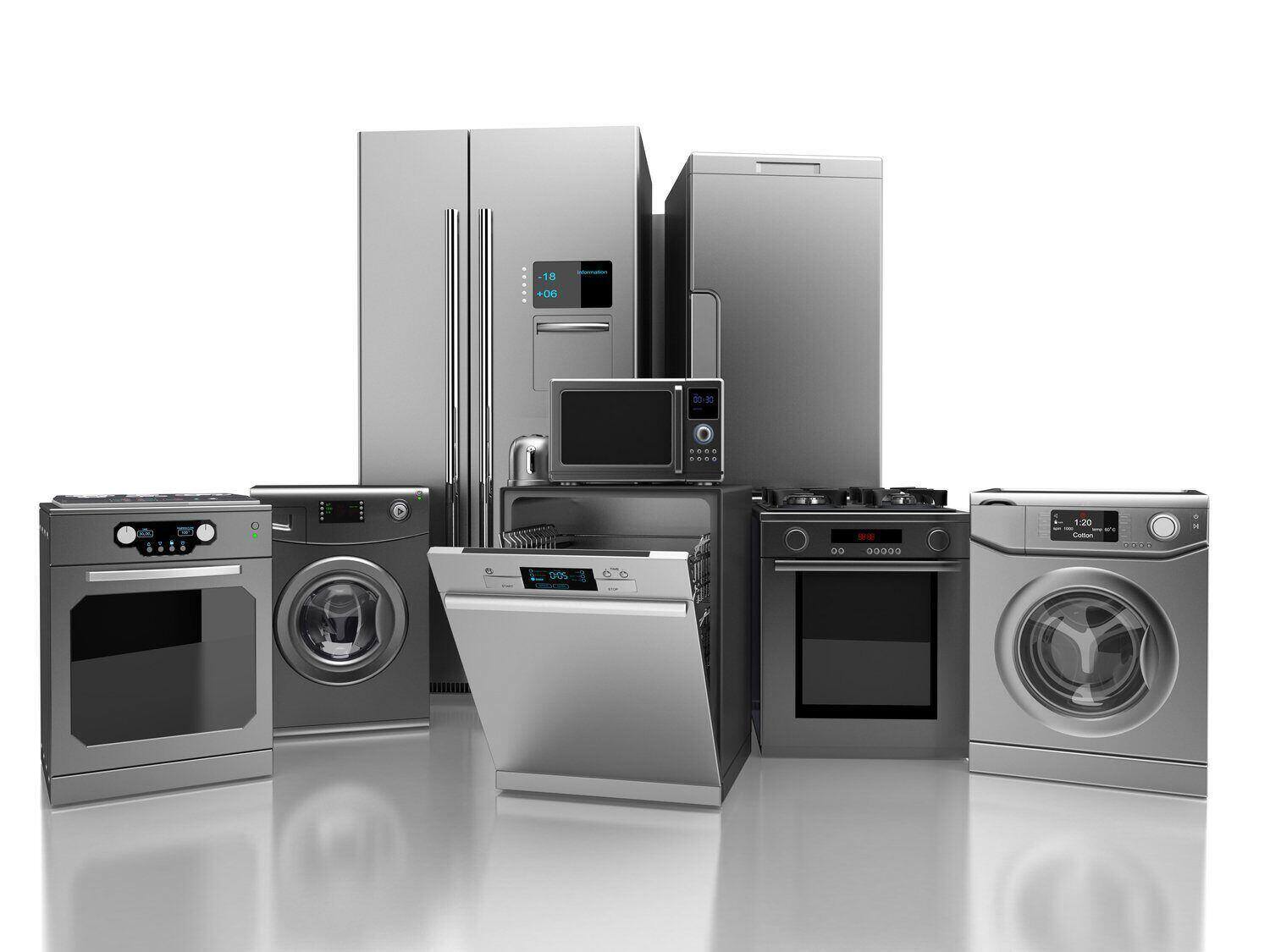
The appliances you use most frequently might be the most prone to need repairs. For example, many homeowners use refrigerators and washing machines almost every day, resulting in those appliances experiencing problems more frequently than other appliances.
Some issues with refrigerators involve malfunctioning water or ice dispensers, while front-loading washers might have issues with mold forming or the drum not spinning properly (or at all).
When investing in a refrigerator or washing machine, do your research. Read consumer reviews, scour ratings and check that the options you’re looking for have the necessary items you prefer, such as a top-load washer or a dual-door refrigerator.
What appliances cost the most to repair?
In general, refrigerators are one of the most used appliances and, coincidentally, also one of the costliest to repair. They have multiple processes that can break down, such as ice makers, water dispensers, refrigerant lines, hoses and coils. Certain repairs, such as replacing a compressor, are expensive in terms of parts and labor.
Can I repair my appliance on my own?
As a homeowner, it can be enticing to want to learn how to repair your appliances yourself. Typically, all you would have to pay for is replacement parts, and you’d save on labor costs or any charge for a service call.
The answer is: It depends. A simple adjustment, such as cleaning a dryer vent or washing a filter can easily be a DIY job. If you are not handy, attempting more complicated repairs can make things worse. For example, you might replace a faulty part but overlook the root cause of the problem. Instead, a team of trained technicians can diagnose the root issue and ensure your appliance receives the proper repair and service. If you decide to go the DIY route, be aware that your work on an appliance can often void manufacturer warranties. Be sure to check your warranty terms and conditions.
Should I repair or replace my appliance?
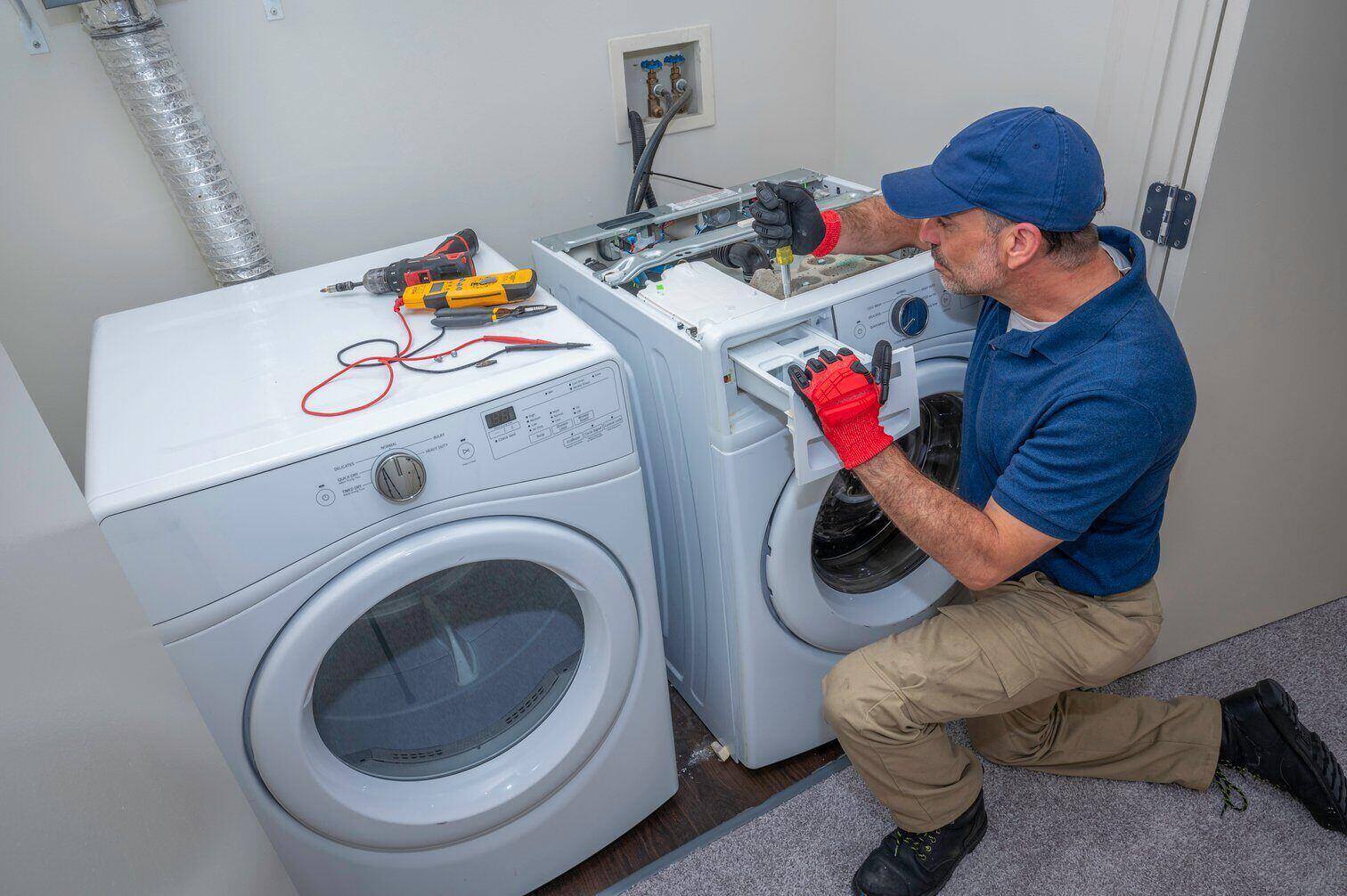
How can you decide if an appliance is worth saving or if it’s time to replace it? A rule of thumb is if the repair cost is more than 50% of the price of a new model, you should consider replacing it. It may also be time for a new model when an appliance is near the end of its average life span. For example, the typical gas range lasts 15 years. If your 14-year-old stove stops working, it may be time for a new unit.
While investing in a new appliance is a one-time expense, you’ll save money in the long run. Most new appliances are more energy-efficient and use less electricity. Some, like dishwashers and washing machines, are designed to use less water. An Energy Star washer uses 33% less water than a regular washer.
It can be wise to keep newer appliances and ones that are less expensive to repair. It’s also a good idea to repair built-in appliances, such as wall ovens, if you can’t find replacements that fit the openings in your cabinetry.
Always be sure to check the product warranty if you have any issues. The warranty or a product recall might cover the repair cost.
How to minimize repair costs
To help minimize repair costs, here are some things you can do.
Buy better appliances
Before buying an appliance, do your research. Look for reviews, ask friends, and talk to a salesperson or repair person about the most reliable brands. Buy the best appliance you can afford. A cheap appliance can cost you more down the line.
Do routine maintenance
Look at the manual and perform recommended maintenance, such as periodically cleaning a dishwasher’s filter or running a cleaning cycle on a washing machine.
Invest in efficiency
An older appliance that frequently breaks down results in rising repair and utility costs. Why repeatedly repair your appliance when you can buy a reliable new model and potentially reduce your electricity bill?
Clean the filters
Many appliances have a filter. Regularly cleaning these filters helps your machines work efficiently. Think about it. When was the last time you cleaned any of the following?
- The air filter in your over-the-range microwave
- The filter on the bottom of your dishwasher
- The air filter in your range hood
- The lint filter in your dryer
- Replaced the water or air filter in the refrigerator
- Cleaned or replaced filters in equipment not covered here, such as HVAC systems
Check the owner’s manual or Google your appliance for instructions on locating and cleaning the filters. Performing this routine maintenance will free your appliances of buildup and help them work longer and more efficiently.
Check the warranties
Check the product warranty to see if the manufacturer covers the repair. If so, they might send a technician to fix the appliance at no cost to you.
If you have a home warranty, read your contract. If the appliance is covered, it will be repaired for the cost of your deductible.
Summary of average costs by appliance
Here’s every 2026 figure from this article in one place. The national average across all appliances is $179 per repair.
|
Appliance |
Avg. repair cost 2026 |
|
Refrigerators |
$300 – $1,000 |
|
Freestanding Ice Makers |
$200 – $300 |
|
Garbage Disposals |
$140 – $310 |
|
Dishwashers |
$160 – $300 |
|
Wall Ovens |
$130 – $310 |
|
Clothes Washers |
$125 – $450 |
|
Clothes Dryers |
$100 – $430 |
|
Microwaves |
$100 – $200 |
|
Small appliances (toaster, blender, coffee maker) |
$50 – $100 |
|
Any appliance (national average) |
$108 – $251 |
Source: HomeAdvisor cost guides, updated 2026. Ranges reflect national averages and vary by location, appliance age and brand.
Ensure your appliances are covered with a Cinch warranty
A failing appliance is stressful enough without having to scramble to find a reputable appliance repair technician. There is no need to take a hard blow to your budget when a major appliance fails.
Consider the peace of mind of a home warranty. Many of the appliances listed above are covered by a Cinch Home Services Appliances Plan.¹ A small monthly fee helps cover the repair or replacement of your major appliances, subject to the terms of your plan. When something goes wrong, our customer service is available 24/7, and we’ll send a vetted service provider to resolve the problem promptly and professionally.
Not sure which level of coverage fits? Compare a Repair Only plan against a Repair + Replace plan and the rest of our plans and coverage, then get an instant quote today.
1The product being offered is a service contract and is separate and distinct from any product or service warranty that may be provided by the home builder or manufacturer.
Coverage is subject to the terms, conditions, limitations and exclusions of your plan, including any coverage caps. Not all appliances, parts or failure types are covered. Review your plan terms for the specific items covered in your home.
Repair cost figures in this article are third-party national estimates provided for general informational purposes only. They are not quotes, and they do not reflect Cinch Home Services pricing or the amount of any claim. Actual costs vary by location, appliance and provider.