
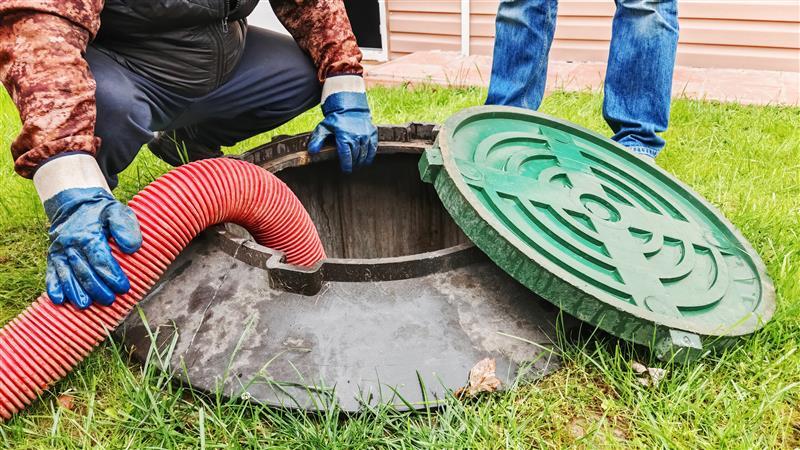
If your home has a septic system, you already know that regular maintenance is key to keeping everything flowing smoothly. A crucial part of that upkeep is septic tank pumping. This essential task removes the buildup of solids that could otherwise lead to costly backups and system failures. But how much should you budget for this service? Let's break down the costs and factors involved so you can plan with confidence.
Understanding septic tank pumping
A septic system is your home's private wastewater treatment facility. It typically consists of a septic tank and a drain field. All the water leaving your house flows into the tank, where solid waste settles to the bottom as sludge, and grease floats to the top as scum. The liquid wastewater then flows out to the drain field to be naturally absorbed by the soil.
Septic pumping is the process of removing that accumulated sludge and scum from the tank. If left unattended, the tank will fill up, and solids can flow into the drain field, clogging it and causing the entire system to fail. Regular pumping is the best way to prevent this, extending the life of your septic system, which can last for decades with proper care—protecting both your home and your investment.
Average cost of septic tank pumping
So, how much should it cost to empty a septic tank? While prices vary, you can expect a general range. According to Angi, the average cost to pump a septic tank is about $424, though this can range from a few hundred to over six hundred dollars.
Some companies charge a flat rate, while others may price the service based on the number of gallons pumped. We recommend clarifying the pricing structure when you get a quote. Pumping is typically needed every three to five years, so factoring this expense into your long-term home maintenance budget is a smart move that'll save you from surprises down the road.
Factors that influence septic tank pumping costs
Several variables can affect the final price you pay for septic tank pumping. Understanding them can help you see why one quote might be different from another—and help you make informed decisions.
-
Tank size: This is one of the biggest factors. Larger tanks, such as a 1,500-gallon tank, hold more waste and take longer to pump than a standard 1,000-gallon tank. The cost to pump a 1,000-gallon septic tank will naturally be less than for a larger one.
-
Household size and usage: The more people living in your home, the more water you use, and the faster your tank will fill up. A larger family may need to pump their tank more frequently than a single person or couple.
-
Geographic location: Labor rates and waste disposal fees vary significantly by region. Services in urban areas may cost more than in rural locations.
-
Accessibility: If your septic tank lid is buried or hard to access, the technician may need to do extra digging to reach it. This additional labor will likely increase the cost.
-
Tank condition: A well-maintained tank is straightforward to pump. However, if the tank has been neglected and has excessive sludge buildup, it may require more time and effort, leading to a higher bill.
Signs your septic tank needs pumping
Your septic system will usually give you clear warning signs when it's getting full. Being aware of these can help you avoid a messy and expensive emergency—and we know how stressful that can be.
-
Slow drains: If sinks, showers and toilets throughout your home are draining slowly, it could be a sign your tank is full.
-
Sewage odors: Unpleasant smells inside your house or outside near the tank or drain field are a classic sign that your system needs attention.
-
Pooling water: If you notice standing water or unusually green grass over your drain field, it could mean the system is overloaded and wastewater is surfacing
-
Plumbing backups: Gurgling sounds from your pipes or, in the worst-case scenario, sewage backing up into your home are urgent signs that pumping is needed immediately.
-
Time: The most reliable indicator is time. If it has been more than three to five years since your last pump, it's time to schedule one.
Cost breakdown by service type
The price you're quoted often includes more than just the pumping itself. Here's what might be part of the service—so you know exactly what you're paying for.
-
Pumping only: This is the basic service of emptying the tank.
-
Full inspection: Many professionals recommend an inspection at the same time as pumping. They'll check for cracks, leaks and the condition of the baffles inside the tank.
-
Add-on services: You might be offered filter cleaning or high-pressure water jetting to clear pipes, which would be an additional cost.
-
Emergency service: Expect to pay a premium for after-hours or weekend service if you have a backup.
-
Disposal fees: The cost to transport and legally dispose of the septic waste is usually factored into your total bill.
DIY vs. professional septic tank pumping
You might wonder if you can pump the tank yourself to save money. We get it—but the short answer is no. Septic pumping is a job that should always be left to professionals. It requires a specialized vacuum truck and proper training to handle hazardous waste safely.
Attempting to do it yourself poses significant health risks, can damage your system and may even be illegal in your area due to environmental regulations. Hiring a certified professional ensures the job is done correctly and safely, protecting you from much larger costs and headaches down the road.
How to save money on septic tank pumping
While professional pumping is a necessary expense, there are smart ways to manage the cost and get the best value.
- Schedule routine maintenance: Don't wait for an emergency. Regular, scheduled pumping is always cheaper than a last-minute call.
- Keep records: Know when your tank was last pumped so you can plan for the next one.
- Reduce water usage: Being mindful of your water consumption can extend the time between pumping.
- Compare local providers: Get quotes from a few reputable local companies to find a competitive price.
- Bundle services: Ask if you can get a discount for bundling pumping with an inspection.
Long-term costs of neglecting septic pumping
Putting off septic tank pumping might save you a few hundred dollars now, but it can lead to thousands in repairs later—and we've seen this happen too many times. A neglected system can cause sewage backups, which require expensive cleanup and clog the drain field. Replacing a failed drain field can cost thousands of dollars, and a full septic system replacement can be one of the most expensive repairs a homeowner faces. The routine costs to pump the septic tank are a small price to pay for preventing catastrophic failure.
Protecting your home with a service plan
Unexpected home repairs can be a major source of financial stress, and we understand how overwhelming that can feel. A home warranty can help protect your budget from the high cost of covered breakdowns. Wondering if a septic system is covered under a home warranty? Often, it can be included as an add-on to a standard plan. Coverage can help with repairs to components of your septic system, offering financial protection and peace of mind.
Cinch offers a variety of home protection plans that can be customized to fit your needs, including options for systems like your plumbing. When a covered item breaks, you simply make a request, and we'll connect you with a prescreened service professional from our extensive network. While routine maintenance like pumping isn't typically covered, knowing you have a trusted plan for covered mechanical failures can make all the difference in protecting your home and your budget.