
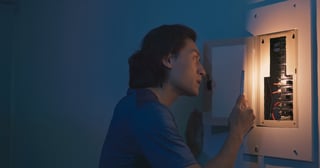

A circuit breaker trips when it senses more current than a circuit can safely carry, cutting power before wires overheat. Most repeat trips come from an overloaded circuit, a short circuit or a ground fault. This guide helps you figure out whether you're dealing with a simple overload you can fix by moving a plug, or a sign that it's time to call an electrician.
Quick answer
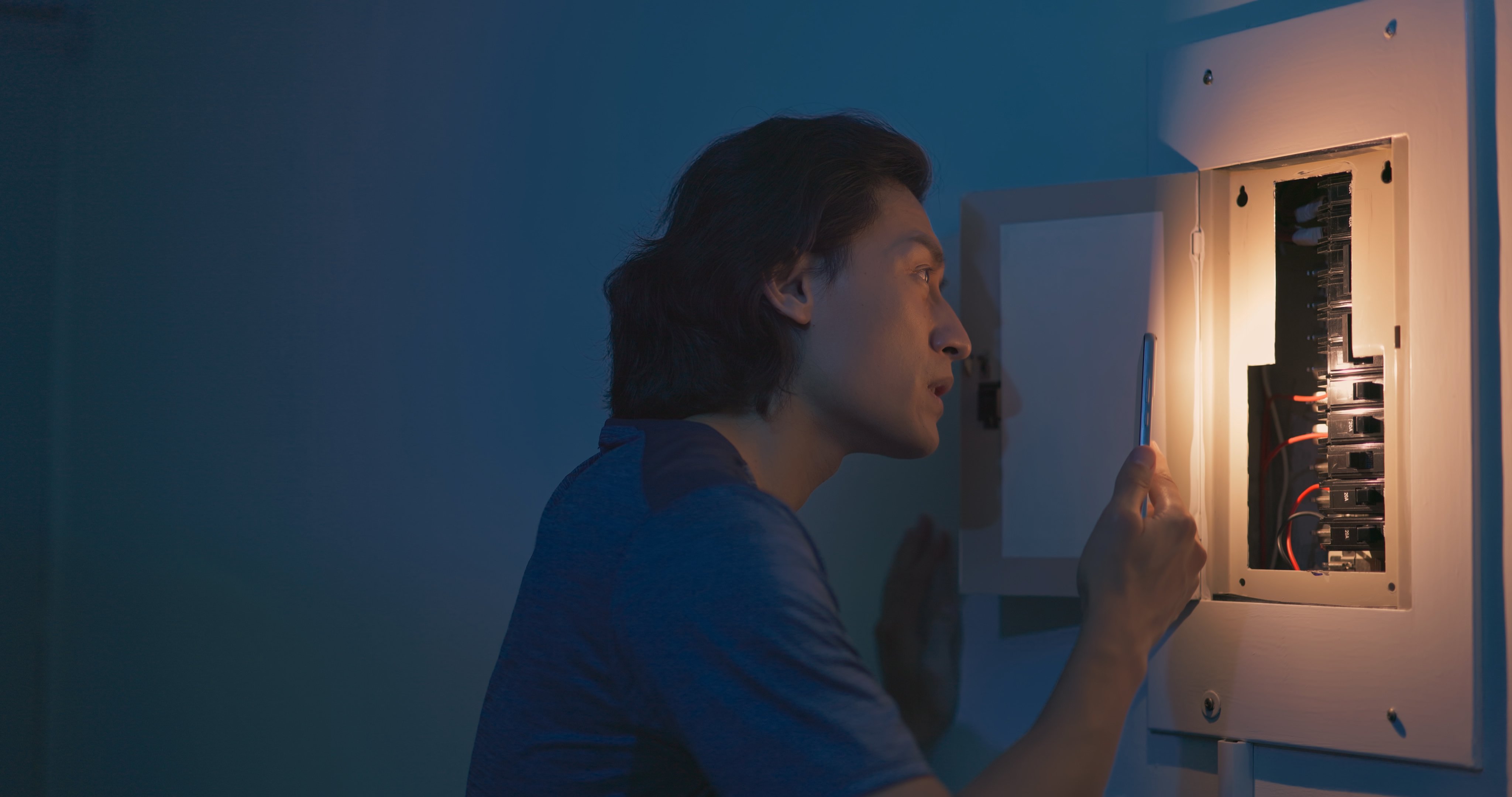
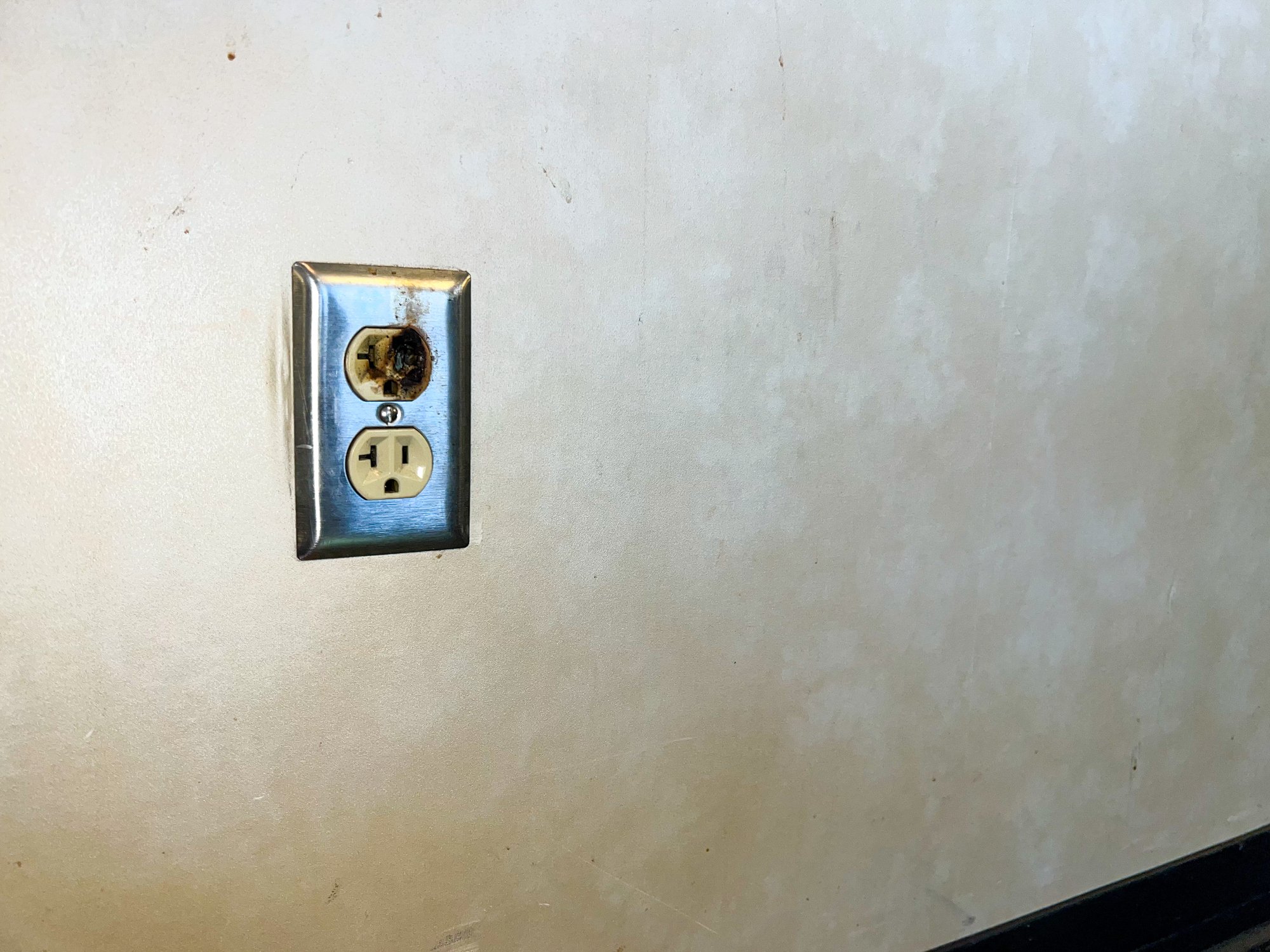
If a breaker trips once, unplug a few devices on that circuit and reset it. If it trips again right away, or you notice a burning smell, scorch marks or buzzing, leave it off and call a licensed electrician. The Electrical Safety Foundation International (ESFI) lists frequently tripped breakers as one of the warning signs of an overloaded electrical system.
How we built this list
We reviewed guidance from ESFI and the U.S. Consumer Product Safety Commission (CPSC) and ordered the causes from the ones homeowners run into most often to the ones that need a professional diagnosis. Each cause includes the signs to look for and whether it's a DIY fix or a job for an electrician. Full sources are listed at the end of this article.
6 reasons your breaker keeps tripping
1. Overloaded circuit
What it is: Too many devices drawing power on one circuit at the same time.
Signs: The breaker trips when you turn on a hair dryer, microwave or vacuum while other things are running.
What to do: Move some devices to a different circuit. ESFI recommends plugging major appliances directly into a wall outlet and plugging only one heat-producing appliance into a receptacle at a time.
DIY or pro: DIY. If you rely on power strips because you don't have enough outlets, ESFI suggests having an electrician add more.
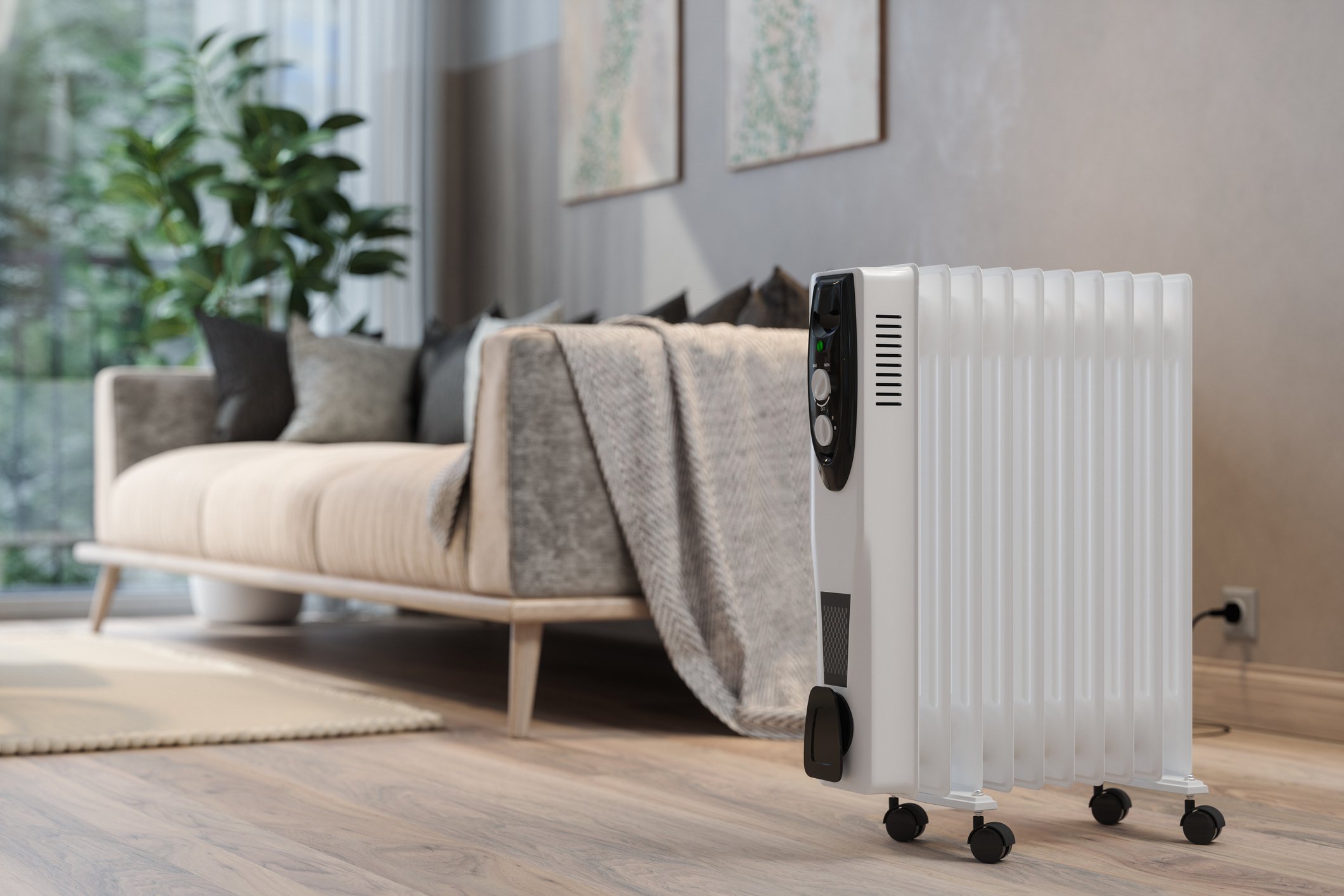
2. Space heaters and extension cords
What it is: Space heaters draw a lot of power, which makes them a common cause of winter trips.
Signs: The breaker trips soon after you turn on a space heater, especially if something else is running on the same circuit.
What to do: The CPSC says to plug electric space heaters directly into a wall outlet, never into an extension cord or power strip, and to keep them at least three feet from drapes, furniture and bedding.
DIY or pro: DIY. Move the heater to a different circuit or run fewer devices at once.
3. Short circuit
What it is: A hot wire touches a neutral wire, causing a sudden surge of current.
Signs: The breaker trips instantly, sometimes with a pop, a burning smell or scorch marks on an outlet.
What to do: Leave the breaker off and unplug everything on the circuit.
DIY or pro: Call a licensed electrician.
4. Ground fault
What it is: Current takes an unintended path to the ground, often because of moisture. Ground faults are most common in kitchens, bathrooms, laundry rooms and outdoor outlets.
Signs: The breaker or a GFCI outlet trips when an appliance near water is in use.
What to do: Check for moisture, then reset a GFCI outlet if one has tripped. If an outlet keeps tripping, you may need to replace a GFCI outlet.
DIY or pro: DIY to reset. Call an electrician if it keeps happening.
5. Arc fault
What it is: Loose or damaged wiring creates small sparks (arcs). Arc fault circuit interrupter (AFCI) breakers are designed to detect them and shut the circuit off. ESFI cites a CPSC estimate that AFCIs could prevent more than 50% of electrical fires each year.
Signs: An AFCI breaker trips repeatedly, sometimes with flickering lights.
What to do: Don't keep resetting it.
DIY or pro: Call a licensed electrician.
6. Faulty breaker or appliance
What it is: Breakers can wear out over time, and a damaged appliance can trip any circuit you plug it into.
Signs: A breaker trips with very little load, or one appliance trips every circuit it's plugged into.
What to do: Stop using the appliance and have it checked. Leave breaker testing and replacement to a professional.
DIY or pro: Call a pro.
How to reset a tripped breaker safely
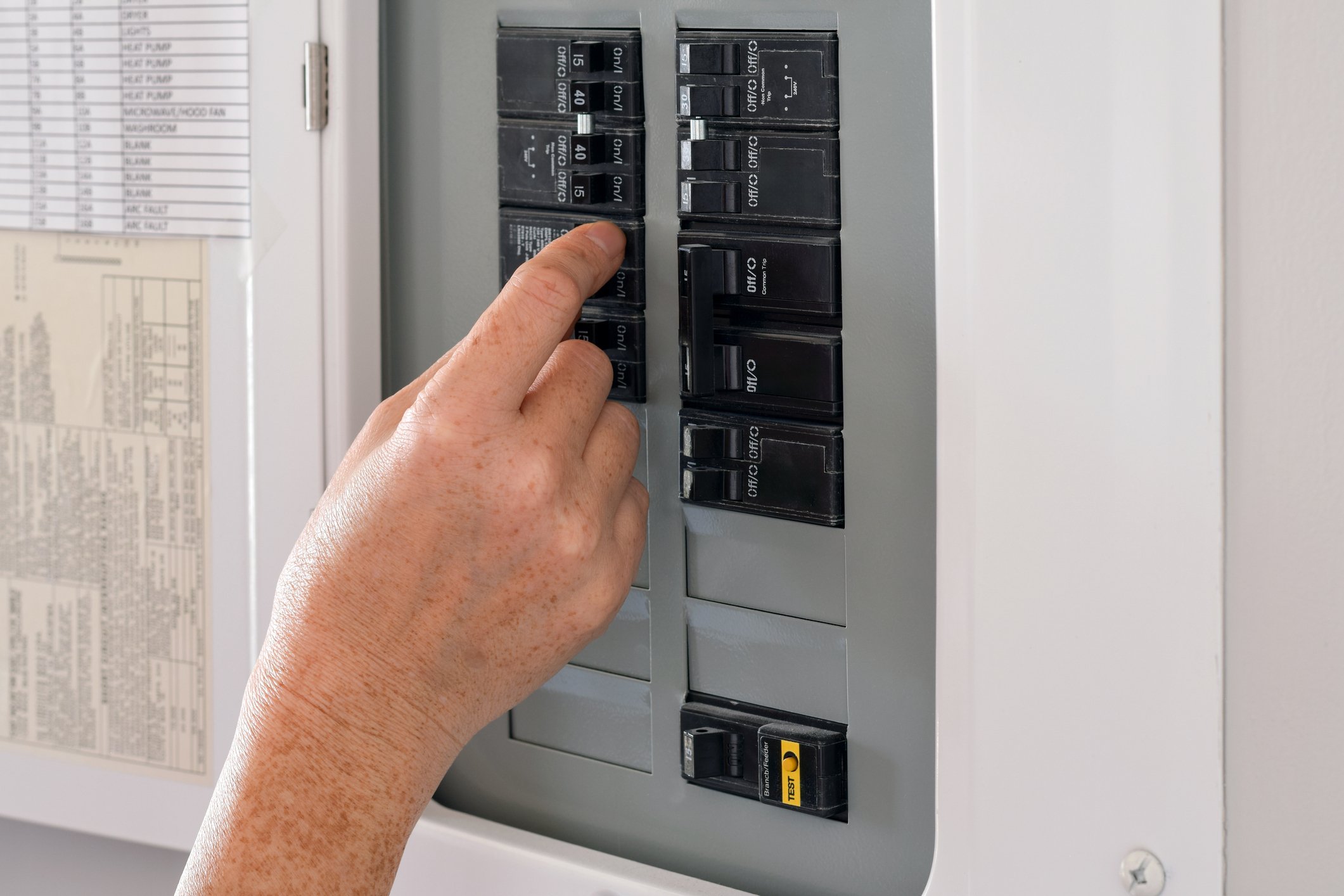
1. Unplug or turn off devices on the affected circuit.
2. Open your electrical panel and find the breaker sitting in the middle or off position.
3. Push it firmly to off, then back to on.
4. Plug devices back in one at a time.
5. If it trips again right away, leave it off and call an electrician.
Never open the panel cover or touch wiring yourself.
Warning signs you need an electrician now
ESFI lists these signs of an overloaded or failing electrical system:
-
Lights that flicker, blink or dim
-
Frequently tripped breakers or blown fuses
-
Warm or discolored wall plates
-
Outlets that crack, sizzle or buzz
-
A burning odor from outlets or switches
-
Mild shocks or tingling from appliances, outlets or switches
Electrical problems are serious. ESFI, citing the National Fire Protection Association, reports that electrical failures or malfunctions cause 47,700 home fires in the U.S. each year.
Does a home warranty cover circuit breakers?
A home warranty from Cinch Home Services helps cover covered electrical system components, including circuit breakers, when they break down from normal wear and tear. Problems caused by circuit overload, lightning or power surges are generally not covered. Learn more in does a home warranty cover electrical issues. Subject to plan terms and conditions.
When a covered breaker fails, you can submit a service request online or by phone 24/7. Compare plans and coverage to see which plan fits your home.
The product being offered is a service contract and is separate and distinct from any product or service warranty which may be provided by the home builder or manufacturer.
Methodology and sources
We built this list from ESFI's overload guidance and the CPSC's 2025 home heating safety release, plus the Cinch Home Services electrical coverage guide. Causes are ordered from most to least common for homeowners. Last updated: November 2026.
Frequently asked questions
Why does my breaker keep tripping?
Most often because the circuit is overloaded. Short circuits, ground faults, arc faults and worn breakers are other common causes.
Is it dangerous if a circuit breaker keeps tripping?
The breaker is doing its job by cutting power, but repeated trips mean something is wrong. ESFI lists frequent trips as a warning sign of an overloaded electrical system.
How do I reset a tripped breaker safely?
Unplug devices on the circuit, push the breaker fully to off, then back to on. If it trips again right away, call an electrician.
Can a space heater trip a breaker?
Yes. Space heaters draw a lot of power. The CPSC recommends plugging them directly into a wall outlet, never into an extension cord or power strip.
Can a circuit breaker go bad?
Yes. Breakers can wear out over time. A licensed electrician can test and replace one.
When should I call an electrician?
Call right away if a breaker trips immediately after a reset, or if you notice burning smells, scorch marks, buzzing outlets or warm wall plates.
Does a home warranty cover circuit breakers?
A home warranty from Cinch Home Services helps cover circuit breakers that fail from normal wear and tear. Damage from overloads or power surges is generally not covered. Subject to plan terms and conditions.
The information in this blog library is intended to provide general guidance on home warranties, and on the proper maintenance and care of systems and appliances in the home. Not all of the topics mentioned are covered by our home warranty or maintenance plans. Please review your home warranty contract carefully to understand your coverage.
Our blog library may link to third-party sites that offer products, services, coaches, consultants, and/or experts. Any such link is provided for reference only and not intended as an endorsement or statement that the information provided by the other party is accurate. We are not compensated for any products or services purchased from these third-party links.