Most Americans spring clean their home around the end of March and the beginning of April.-
Spring cleaning can be a tedious project that requires a good checklist to make sure your home is ready for warm weather.
Spring cleaning is not the same as deep cleaning, but includes a lot of similar tasks.
Another winter is in the books, and the warmer weather coincides with many cleaning and home improvement projects. In fact, according to Statista, 74% of Americans spring clean their homes at the start of spring. Before we look at ways you can get in on this trend, let’s step back and review how spring cleaning all started.
The origin of spring cleaning is a rather fascinating one with deep historical connections. Historically, spring cleaning dates back to when homes were heated by whale oil and kerosene. Since both forms of home heating resulted in soot and grime, people would perform a deep cleaning after the winter ended to improve the appearance and cleanliness of their homes.
As we look forward to cleaning your home, it is important to remember that part of effective spring cleaning is having the right plan in place to ensure that all your key areas are covered.
Here’s our comprehensive guide to cleaning your home this spring.
Preparing for spring cleaning
Essential supplies for a thorough clean
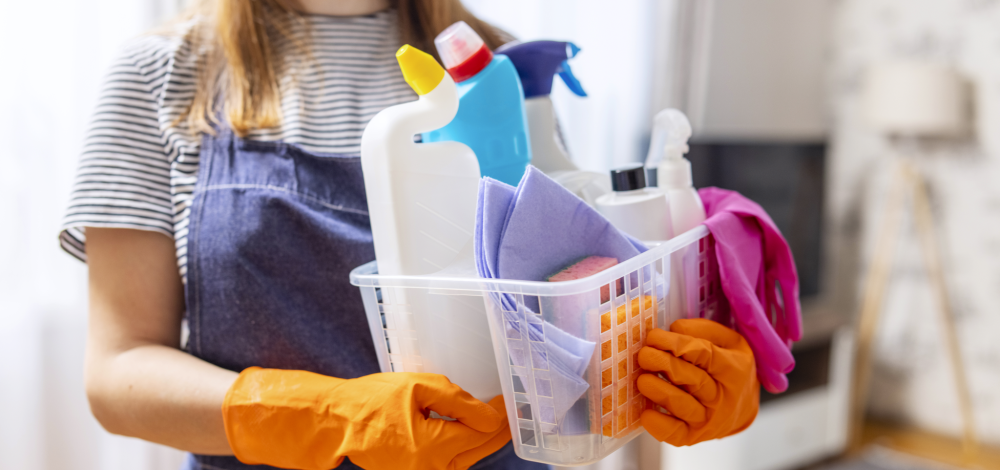
Before we can get into the nuts and bolts of specific room-based checklists, it is important to think about the supplies that you’re going to need to do the job properly. Take a look at some of our favorite cleaners and cleaning tools.
Microfiber cloths: These cloths are great for dusting and polishing various surfaces. This is a great place to start your list of spring cleaning essentials.
Baking soda: Using some baking soda on a sponge allows you to scrub more effectively without being abrasive. This technique is excellent for bathrooms and toilets.
Sponges: Although sponges are not a great tool to keep in your kitchen since they are bacteria breeding grounds, they are great for single-use projects. Scrub what you need to and throw out that old sponge!
A duster: Extra points for you if you have one that extends and makes it easier to access hard-to-reach spaces. A duster is the perfect tool to help get your home clean.
The right mop: Old-school mops are great for specific jobs but tend to collect bacteria. Like sponges, they should be changed regularly or go for options with single-use pads.
The right-sized bucket: Don’t overlook your simple cleaning tools. Even if you have the fanciest cleaners, you could be stalled if you don’t have the right bucket for the job.
White vinegar: Vinegar is about five percent acetic acid, which helps it break down the structure of some dirt, oils, films, stains and bacteria. Keep in mind that vinegar is not recommended for use on natural stone, waxed wood, cast iron, or aluminum.
A vacuum cleaner: Remember to take a top-down approach to maximize your cleaning. Dust up, vacuum the floors and then finish by mopping.
Garbage bags: Running out of garbage bags can slow down your progress. Make sure you get more than you think you need before starting to clean.
Rubber gloves: Although tough cleaners can make your spring cleaning more effective, these chemicals can also be rough on your skin. Protect your hands with a good pair of rubber gloves.
Glass cleaner: Glass cleaner is known for giving a special sparkle and shine to make your glass surfaces stand out.
Toilet brush: Scrub that grime off your toilet bowl with this essential bathroom tool.
Spray bottles: Make sure you start your cleaning with plenty of spray bottles. From bleach to white vinegar, spray bottles make your cleaning job easier.
Bleach: When using bleach, remember that it needs to be diluted. If you don’t add water, you could hurt yourself and your home.
What month does spring cleaning start and how long does it last?
Did you know that National Cleaning Week runs from March 24th - March 30th? This week officially kicks off the spring cleaning season in the United States, and it typically lasts until summer kicks off. Although spring cleaning has been around for a while, the pandemic and the increase in work-from-home jobs have placed more emphasis on decluttering and maintaining a clean space at home.
Comprehensive room-by-room spring cleaning checklists
When you think about cleaning your home, what room checklists do you prioritize most? For some, it’s whatever room they spend the most time in. For others, it may be whatever room is more visible to guests. No matter the case, having a clean home means paying attention to all areas of the house.
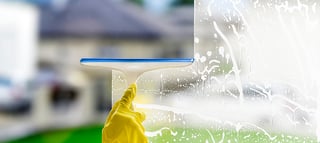
Windows are often overlooked in the cleaning process, but can make a huge difference in the appearance of your home. Spray, wipe and let’s clean those windows!
Clean your windows like a pro. Start by cleaning the glass inside and out using a streak-free window cleaner for optimal visibility.
Wash window frames and sills to remove dirt, dust and grime buildup.
Check window screens for holes or tears and repair or replace as necessary.
Vacuum or dust window blinds to remove accumulated dust and debris.
Clean curtains or drapes according to manufacturer's instructions, either by washing or dry cleaning.
Dust or wipe down window shutters to remove dirt and grime.
Inspect and lubricate window tracks and hinges for smooth operation.
Clean and sanitize window hardware, such as handles and locks, to prevent germ buildup.
Tips to take care of your floors
We can’t neglect the floors. Having clean floors will only enhance the overall look of your home.
Vacuum carpets and rugs thoroughly, paying special attention to high-traffic areas and corners.
Steam clean carpets to remove deep-seated dirt, stains and allergens.
Sweep and mop hard surface floors such as hardwood, tile, or laminate to remove dust and debris.
Apply floor cleaner appropriate for the floor type and manufacturer's recommendations.
Scrub grout lines in tile floors to remove dirt and stains and reseal if necessary.
Polish hardwood floors to restore shine and luster, following product instructions.
Inspect flooring for any signs of damage, such as scratches, dents, or water stains and report to the warranty company for evalwwwion.
Clean and disinfect floor mats or rugs, especially in entryways, to remove dirt and germs.
Use furniture pads or sliders to prevent scratches and damage to floors when moving furniture.
Clean baseboards and trim along the floor to remove dust and dirt buildup.
Tips for upholstery and fabric care
Are you still with us? Here are some fabric care tips you can use.
Vacuum upholstery thoroughly to remove surface dirt, dust, and debris.
Spot clean any stains or spills promptly using appropriate upholstery cleaner or mild detergent.
Test an inconspicuous area of the fabric before applying any cleaner to ensure it does not cause discoloration or damage.
Steam clean upholstery using a suitable upholstery cleaning machine or hire a professional upholstery cleaning service.
Remove and launder or dry-clean removable fabric covers or cushion covers according to manufacturer's instructions.
Brush upholstery fabric with a soft-bristled brush to remove pet hair and loosen embedded dirt.
Rotate cushions regularly to prevent uneven wear and maintain the shape of the upholstery.
Treat upholstery with a fabric protector spray to help repel stains and spills in the future.
Check for any loose seams, buttons, or zippers and repair them to prevent further damage.
Keep upholstery out of direct sunlight to prevent fading and damage to the fabric fibers.
Avoid using harsh chemicals or abrasive cleaners on delicate fabrics to prevent damage.
Your appliance maintenance tips
Our appliances are important to us because they make our day-to-day lives easier. Here are some tips to help keep your appliances working in peak condition.
Clean refrigerator coils to ensure efficient operation and prevent breakdowns.
Check refrigerator and freezer temperatures for optimal food storage conditions.
Clean and disinfect refrigerator shelves, drawers and door seals to prevent mold and bacteria growth.
Clean range hood filters to improve air quality and prevent grease buildup.
Inspect and clean stove burners, oven racks and drip pans to maintain proper functioning.
Test oven temperature calibration for accurate cooking results.
Clean microwave interior and exterior, including turntable and vents.
Inspect dishwasher spray arms and clean filter to prevent clogs and ensure dishes are properly cleaned.
Test washing machine hoses for leaks and ensure proper water flow.
Clean dryer lint trap and exhaust duct to prevent fire hazards and improve drying efficiency.
Inspect and clean air conditioner filters to improve air quality and energy efficiency.
Check the water heater for leaks and ensure proper temperature settings.
Test smoke detectors and carbon monoxide detectors, replacing batteries if needed for safety.
Inspect electrical outlets and cords for damage and repair or replace as necessary.
Spring cleaning vs. deep cleaning
While a spring cleaning can be a useful part of your yearly routine, it is not the same as a deep clean. It is important to know the difference so that you can understand the role that both can play in proper home maintenance.
Spring cleaning is the practice of thoroughly cleaning a house in the springtime. The practice of spring cleaning is especially prevalent in climates with cold winters. Meanwhile, a deep cleaning is an intensive cleaning effort that helps you get rid of dirt and grime accumulated over a long time on the deepest surfaces or corners of the house. It covers more areas than a basic cleaning, like deep scrubbing of stove tops and tubs, cleaning inside microwaves and ovens and heavy brushing of bathtubs and floors. A deep cleaning typically requires the help of a professional cleaning service.
Maintaining a clean home beyond spring
While it is important to practice spring cleaning, it is also important to remember that there are a variety of tasks that should be done year-round to keep your home running smoothly. One way that you can potentially lessen your worries is by investing in a home warranty plan. Depending on the coverage that you choose, home warranty plans make it easier for you to get covered appliances and systems repaired when needed. When things break down, your home warranty company will step up to save you time and prevent you from having to come out-of-pocket to cover a hefty unexpected expense.
Leveraging your home warranty during spring cleaning
Go forth and clean, but before you leave, have you ever considered a little extra help keeping your home in tiptop shape all year-round? A home warranty*, like a plan from Cinch Home Services, makes it easy to cover all your major appliances and your home’s core systems. Take a look and consider investing in an affordable, award-winning plan that delivers peace of mind and helps keep your home running reliably and comfortably.
*The product being offered is a service contract and is separate and distinct from any product or service warranty which may be provided by the home builder or manufacturer
*The information in this article is intended to provide guidance on the proper maintenance and care of systems and appliances in the home. Not all of the topics mentioned are covered by our home warranty or maintenance plans. Please review your home warranty contract carefully to understand your coverage.
Learn how to take care of your home with spring cleaning checklists for the exterior and interior.