
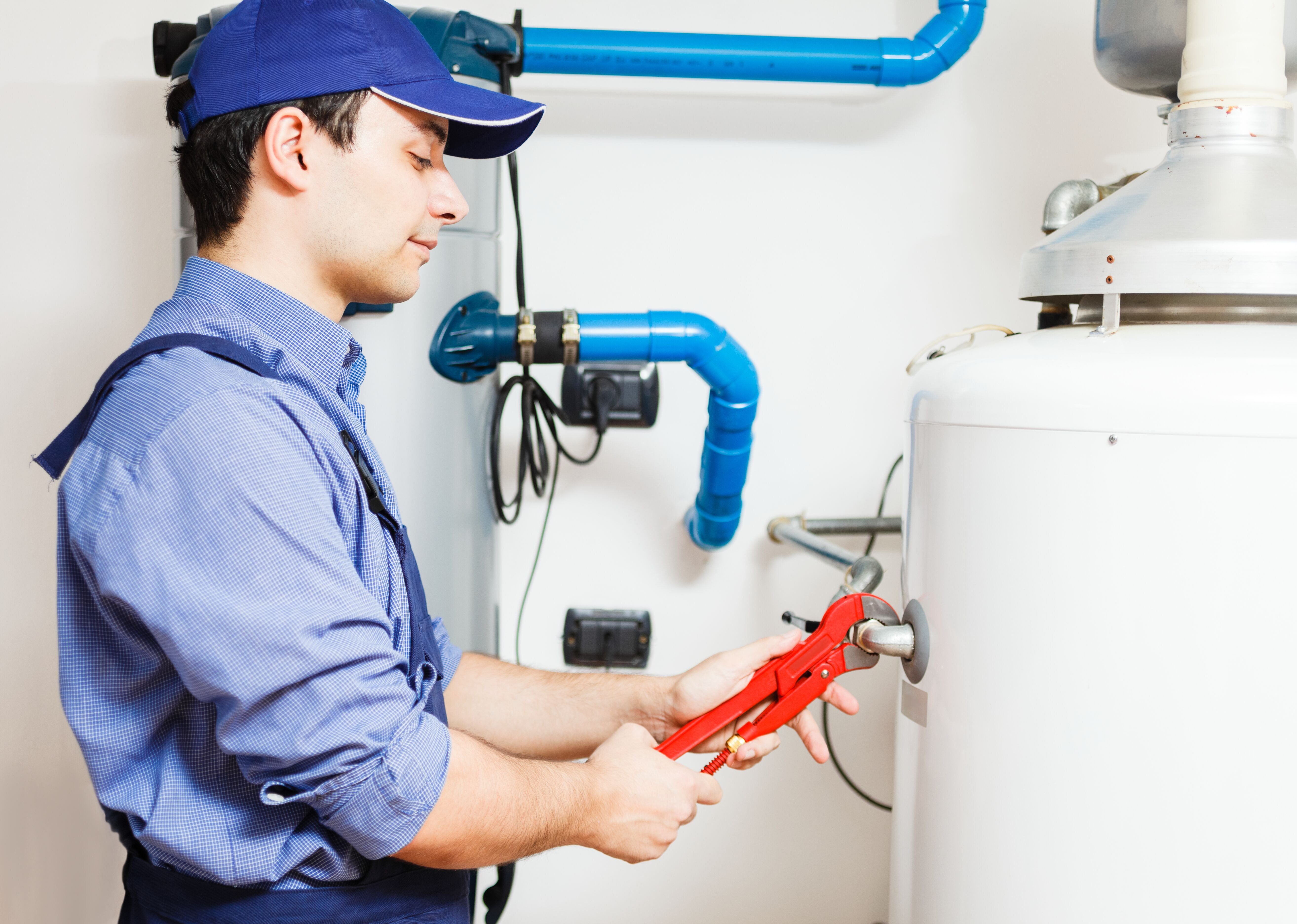

That rumbling, popping or crackling sound coming from your basement or utility closet might not be the house settling. It could be your water heater calling for help. Over time, sediment like minerals, sand and rust can build up at the bottom of the tank. This layer of debris forces your heater to work harder to heat the water, leading to those strange noises, reduced efficiency and potentially costly damage.
Fortunately, there's a straightforward maintenance task you can perform to keep your water heater running smoothly: draining and flushing the tank. This process removes sediment, improves performance and can extend the life of your appliance. While it may sound intimidating, it can prove to be a manageable DIY project for homeowners. Following these steps can help avoid expensive repairs and keep the hot water flowing reliably.
How often should you drain a hot water heater?
Regular maintenance is key to a healthy water heater. Some manufacturers, like A. O. Smith recommend flushing your tank water heater at least once per year. However, if you live in an area with hard water (high mineral content), you might want to do it more frequently, perhaps every six months. For homes with softer water, you might stretch it to every 18 months or two years.
An annual flush is a solid rule of thumb. It's an essential part of home maintenance that helps prevent a small issue from turning into a major headache. A well-maintained water heater is efficient, which can save you money on energy bills and prevent the frustration of an unexpected breakdown. In certain situations, understanding your water heater warranty or coverage can provide additional peace of mind if a breakdown occurs.
Step-by-step guide on how to drain a gas water heater
While it is highly advised to consult a professional service provider to handle most home maintenance tasks, if you decide to do it on your own, here are the exact steps you need to take to ensure a safe and successful drainage of your gas water heater.
Step 1: Turn off the cold water
Before you begin, you need to stop water from entering the tank. Locate the cold water shut-off valve, typically found on a pipe leading into the top of your water heater. It usually has a blue handle or a round wheel-like handle. Turn this valve clockwise until it's tightly closed.
Step 2: Turn off the gas and the heater itself
This is a critical safety step that can't be emphasized enough. For a gas water heater, turn off the gas supply. Locate the thermostat dial on the gas control valve, usually near the bottom of the tank. Turn the dial to the "off" position. This will extinguish the pilot light. You'll need to relight the pilot later when the process is complete.
If you have an electric water heater, go to your home's circuit breaker box and switch off the breaker that powers the water heater. This prevents the heating elements from burning out, as they can be damaged if they try to heat an empty tank.
After turning off the power or gas, it's important to let the water in the tank cool down. Hot water can cause severe burns, and safety should always be a top priority. Allow the tank to sit for at least a few hours or even overnight to ensure the water reaches a safe temperature. Always wear protective clothing, safety glasses and heavy-duty gloves as a precaution against any remaining hot water or steam.
Step 3: Find a bucket or drain to divert the water
Think about where the water will go before you start draining. A 40- or 50-gallon water heater holds a lot of water and you don't want to flood your home. The best option is a floor drain near the heater. If you don't have one, you'll need to run a hose to a utility sink, a bathtub or outside to a spot where the water can drain away from your home's foundation.
It's smart to have a bucket and some old towels or rags on hand. Even with careful planning, some spills can happen when connecting or disconnecting the hose. Being prepared will make cleanup much easier and keep you feeling confident throughout the process.
Step 4: Connect a hose to the drain valve
At the bottom of your water heater tank, you'll find a drain valve that looks like a regular outdoor spigot. This is where you'll attach a standard garden hose. Screw the hose on tightly to create a secure connection and prevent leaks. Run the other end of the hose to your chosen drainage location. Make sure there are no kinks in the hose that could block the water flow.
Step 5: Open a hot water faucet
To help the tank drain faster and more completely, you need to relieve the pressure inside the plumbing system. Go to a sink inside your house and turn on the hot water tap. If possible, choose a faucet on a floor above the water heater, as this helps break the vacuum in the lines more effectively.
When you first open the tap, you might get a short gush of water which will quickly slow to a trickle or stop altogether. This is completely normal. Leave this faucet open for the entire time you're draining the tank.
Step 6: Open the drain valve
With your hose securely connected and directed to a drain and a hot water faucet open, it's time to start draining. Slowly turn the handle or use a flathead screwdriver to open the spigot on the tank's drain valve. Water should begin to flow through the hose immediately.
Be patient here, as it can take anywhere from 10 to 30 minutes to drain the tank completely depending on its size. As the water level drops, you'll likely see discolored water and bits of sediment coming out of the hose. This is exactly the debris you want to get rid of.
If the drain valve is clogged with sediment and water only trickles out or doesn't flow at all, don't worry – you may need to clear the blockage. Sometimes, closing the drain valve and briefly opening the cold water supply valve can create enough pressure to dislodge the clog. If that doesn't work, a wet/dry shop vac can be used to apply suction to the end of the hose to help pull the debris out. Understanding your water heater warranty or coverage is also useful in these situations, as it might help if you need professional service for more stubborn problems.
Step 7: Close the valve, refill the tank and restart the water heater
Once the water has finished draining and runs clear, you're ready to wrap up.
- Close the drain valve: Turn the handle on the drain valve clockwise to securely close it.
- Refill the tank: Go back to the cold water supply valve at the top of the tank and slowly turn it counterclockwise to reopen it. You'll hear water begin to fill the tank.
- Turn off the faucet: Leave the hot water faucet open that you turned on earlier. When you see a steady stream of cold water coming from it, it means the tank is full. You can now turn that faucet off.
- Restart the heater: For a gas heater, follow the manufacturer's instructions to relight the pilot light and turn the thermostat back to your desired temperature setting. For an electric heater, go back to the breaker box and flip the circuit breaker back on.
- Check for leaks: Before you walk away, do a final check around the drain valve to ensure there are no drips or leaks.
By flushing your water heater, you've taken a proactive step toward maintaining your home's systems and preventing future issues. It's a rewarding task that helps ensure you have reliable access to hot water when you need it. If a problem arises that you can't fix yourself, don't hesitate to consult a professional plumber or service technician for help.