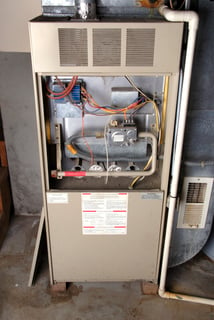

Your furnace's limit switch shuts off the burners if the furnace gets too hot, and its pressure switch keeps the furnace from lighting unless combustion gases are venting safely. Both are safety controls, and both are common reasons a furnace starts, then shuts off. Here's how each switch works, what makes them trip and when it's time to call an HVAC technician.
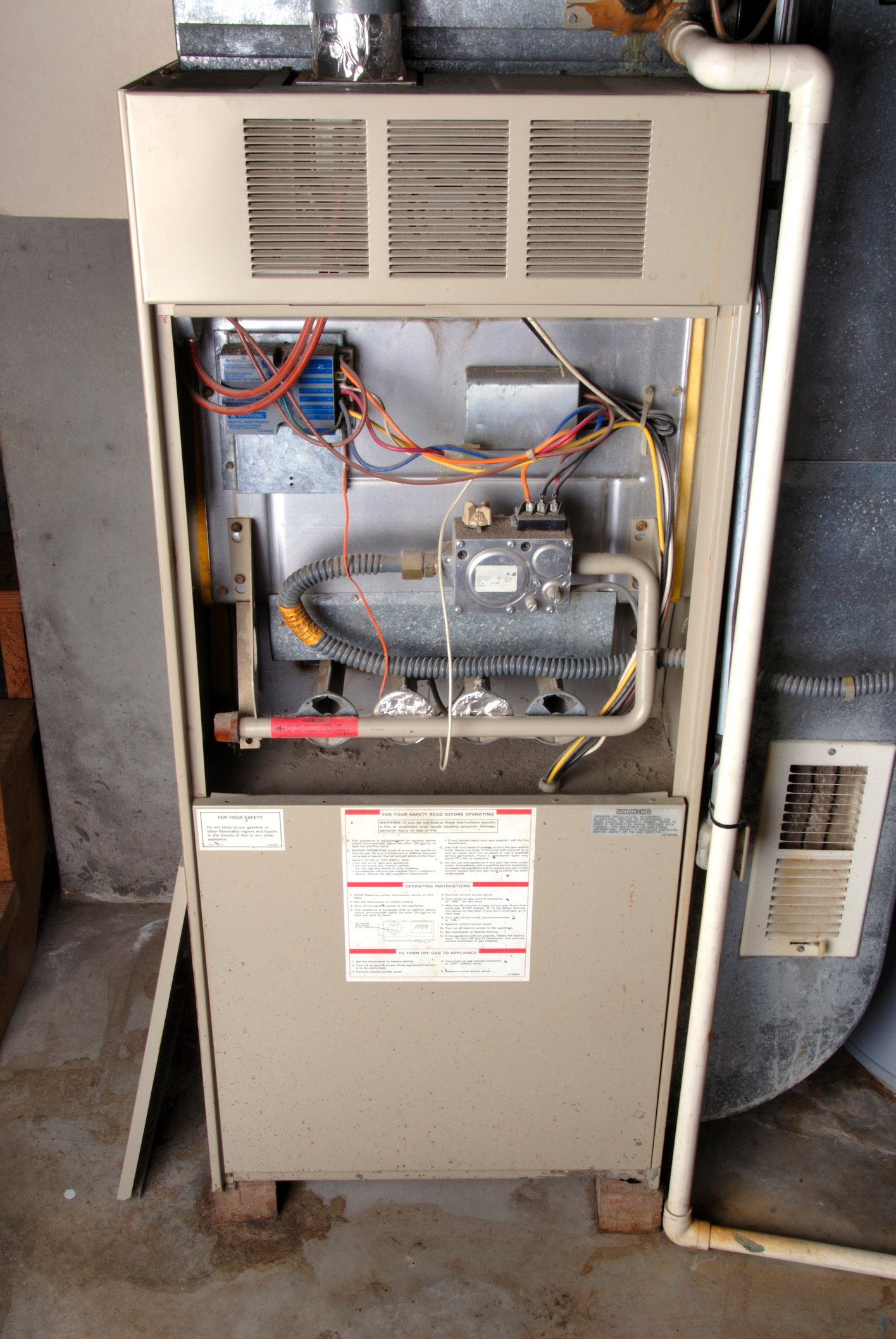
What does the limit switch do on a furnace?
The limit switch has a temperature sensor inside the furnace housing. According to Aire Serv, it does two jobs:
Controls the blower: Once the furnace warms up, the switch turns on the blower to send heat through your home. After the burners shut off, the blower keeps running until the furnace cools down.
Prevents overheating: If the furnace gets too hot, the switch cuts power to the burners.
A severely clogged air filter that restricts airflow
A blower fan that isn't running
Blocked vents: Leaves, nests, snow or ice can block the outdoor intake and exhaust pipes.
Condensate problems: A clogged drain trap, hose or condensate pump can back water into the inducer housing.
Hose problems: A cracked, kinked or loose hose can keep the switch from sensing the draft.
Other causes: A weak inducer motor or a failed switch.
What causes a limit switch to trip
A limit switch usually trips because the furnace is overheating, not because the switch is bad. Aire Serv names two common causes:
Signs of a faulty limit switch include a furnace fan that runs nonstop or won't turn on. Regular filter changes are one of the best ways to help prevent overheating; see our furnace maintenance checklist.
What is a pressure switch on a furnace?
The pressure switch confirms that the draft inducer motor is moving enough air to vent combustion gases outdoors before the burners light. Ferguson's furnace troubleshooting guide describes the sequence:
-
The thermostat calls for heat
-
The control board turns on the inducer motor.
-
The inducer creates suction, which a small rubber hose carries to the pressure switch.
-
When the suction is strong enough, the switch closes.
-
The control board checks the limit switches and turns on the igniter.
-
If the draft is never confirmed, the furnace locks out.
If your furnace won't light, the igniter is another part to check; learn how to replace a furnace ignitor.
What causes a pressure switch to fail
Ferguson lists these common causes:
Blocked vents: Leaves, nests, snow or ice can block the outdoor intake and exhaust pipes.
Condensate problems: A clogged drain trap, hose or condensate pump can back water into the inducer housing.
Hose problems: A cracked, kinked or loose hose can keep the switch from sensing the draft.
Other causes: A weak inducer motor or a failed switch.
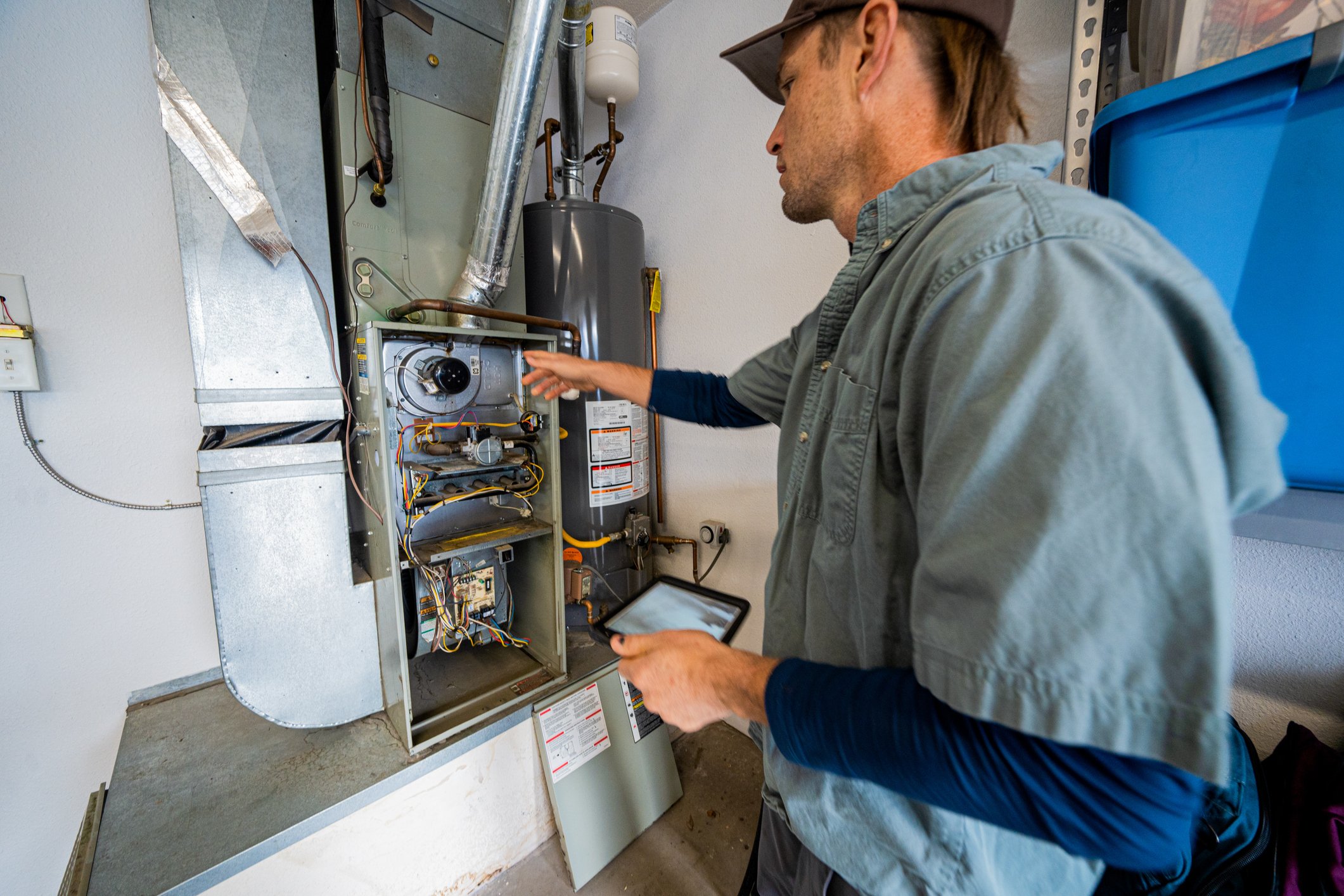
What you can safely check
Some of the causes above are easy to check:
-
Replace a dirty air filter
-
Clear snow, ice or debris away from outdoor vent pipes
-
Make sure supply and return vents inside your home aren't blocked
-
Check that the condensate drain line isn't visibly clogged.
For more tips, see how to clean, maintain and properly use your HVAC system.
Don't bypass or jump either switch. They exist to protect your home from overheating and from combustion gases, including carbon monoxide.
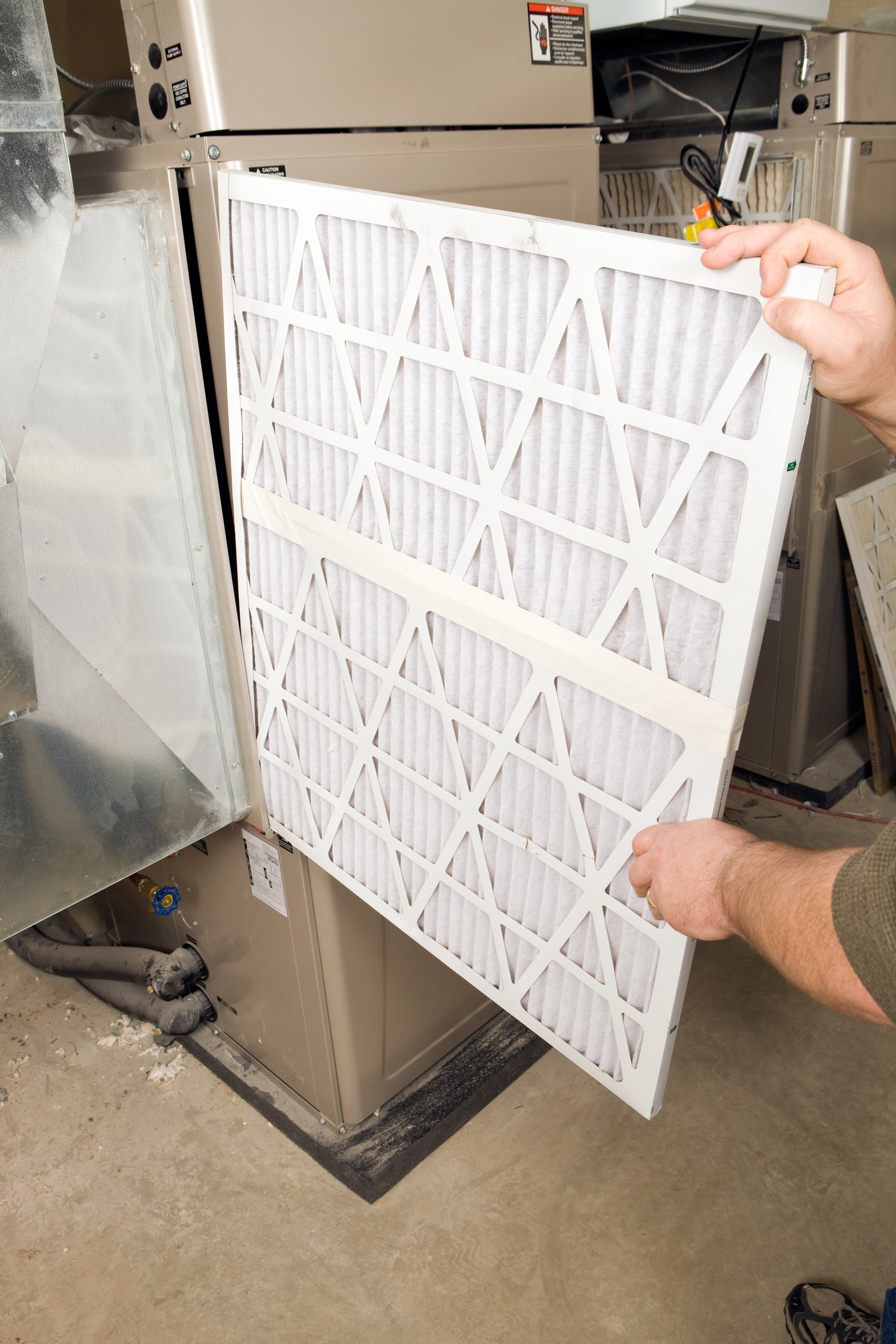
When to call an HVAC technician
Call a licensed HVAC technician if:
-
Your furnace keeps shutting off or locking out after you've changed the filter and cleared the vents
-
You notice a burning smell
-
Your carbon monoxide (CO) alarm goes off (leave the home first, then call for help)
The U.S. Consumer Product Safety Commission (CPSC) recommends having a professional inspect fuel-burning heating systems every year. It also recommends CO alarms on every level of the home and outside sleeping areas.
How a home warranty can help
Heating Systems are a covered item under Cinch Home Services plans. When a covered furnace component breaks down from normal wear and tear, a home warranty helps cover the cost of the repair. Cinch Home Services is the U.S. News & World Report Best Home Warranty Company for HVAC 2026-2027. Learn more in does a home warranty cover HVAC systems or compare plans and coverage. Subject to plan terms and conditions.
The product being offered is a service contract and is separate and distinct from any product or service warranty which may be provided by the home builder or manufacturer.
Frequently asked questions
What does the limit switch do on a furnace?
It turns the blower on and off based on furnace temperature and shuts off the burners if the furnace overheats.
What is a pressure switch on a furnace?
A safety switch that confirms the inducer motor is venting combustion gases before the burners can light.
What is the difference between a limit switch and a pressure switch?
The limit switch responds to temperature. The pressure switch responds to air pressure from the venting system.
What causes a furnace limit switch to trip?
Usually overheating from a clogged air filter or a blower that isn't running.
What are the signs of a bad furnace pressure switch?
The furnace won't light or locks out even though the inducer motor runs. Blocked vents, condensate problems or a cracked hose are often the real cause.
Can I bypass a furnace limit or pressure switch?
No. Both are safety controls. Call a licensed HVAC technician instead.
Does a home warranty cover furnace switches?
A home warranty from Cinch Home Services helps cover covered heating system components that fail from normal wear and tear. Subject to plan terms and conditions.
The information in this blog library is intended to provide general guidance on home warranties, and on the proper maintenance and care of systems and appliances in the home. Not all of the topics mentioned are covered by our home warranty or maintenance plans. Please review your home warranty contract carefully to understand your coverage.
Our blog library may link to third-party sites that offer products, services, coaches, consultants, and/or experts. Any such link is provided for reference only and not intended as an endorsement or statement that the information provided by the other party is accurate. We are not compensated for any products or services purchased from these third-party links.