

Simple refrigerator and freezer maintenance guide
Read more
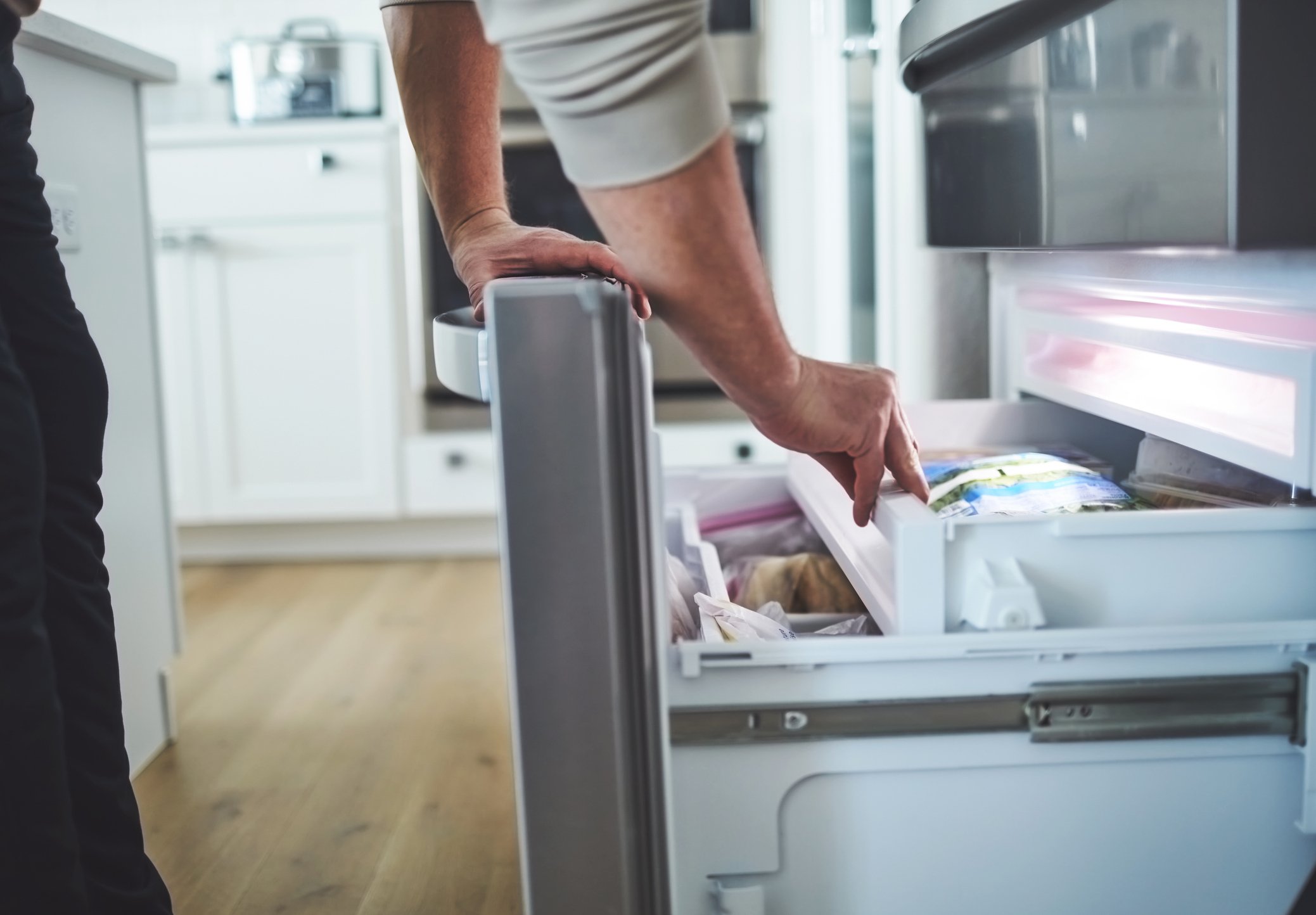
In most refrigerators, the freezer section produces the cold air and fans push some of it into the fridge. So when the freezer stops freezing but the fridge still feels cold, the problem is usually with airflow, the coils or the defrost system rather than the whole appliance. This guide walks through the most common causes, which ones you can check yourself and when to call for service.
Before troubleshooting, confirm the problem with a thermometer. The U.S. Food and Drug Administration (FDA) recommends keeping your refrigerator at or below 40°F (4°C) and your freezer at 0°F (-18°C). The FDA says appliance thermometers are the best way to know these temperatures. Place one in the front of each compartment and check them at least once a week.
We ordered these causes from the simplest checks a homeowner can do to the repairs that need a service provider. Temperature targets come from the FDA and the U.S. Department of Agriculture (USDA). Each item covers what it is, what to look for and whether it's a DIY fix.
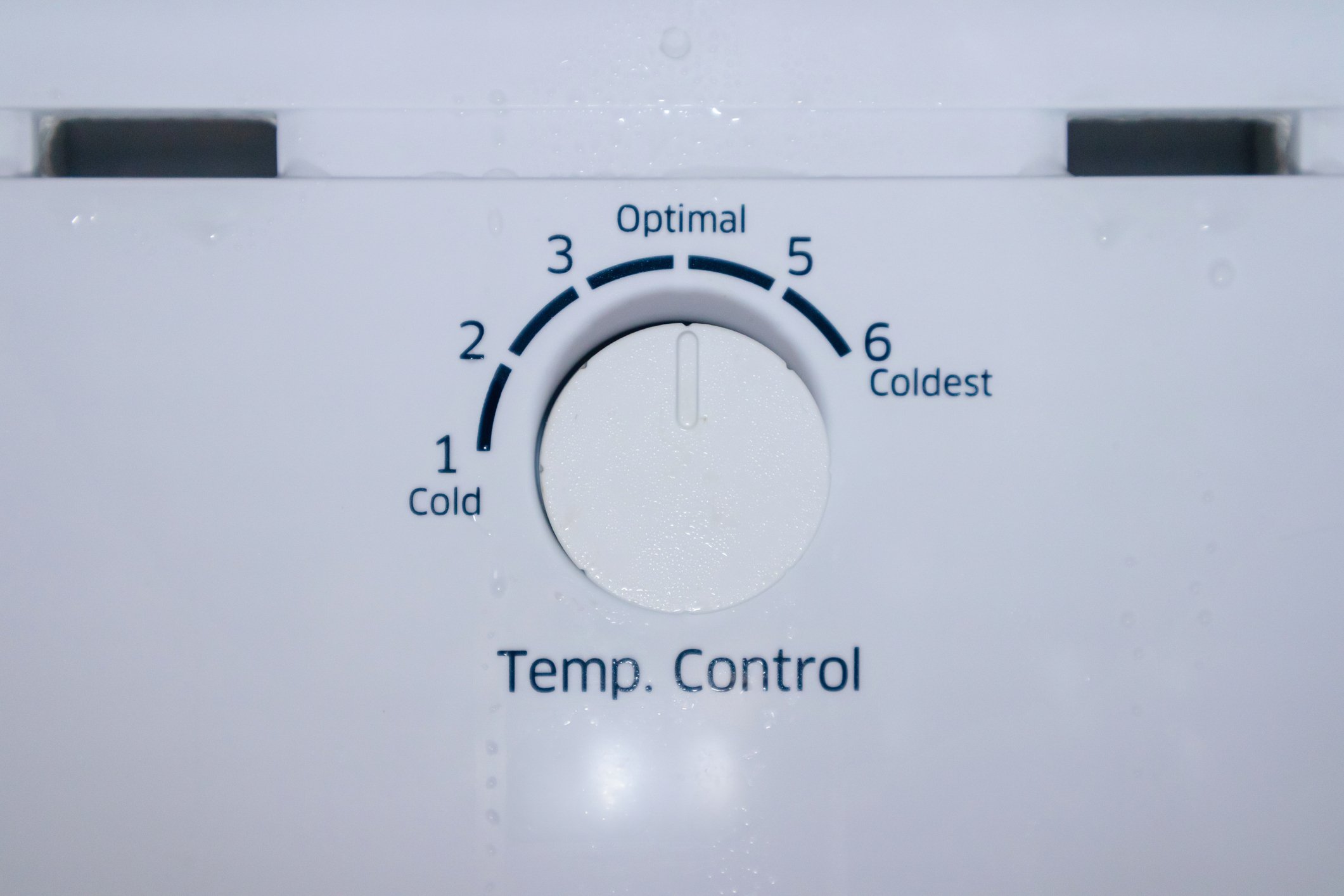
What it is: The freezer dial was bumped, or food is blocking the vents that move cold air.
What to check: Confirm the setting and move items away from the vents. Don't overpack the freezer.
DIY or pro: DIY.
What it is: The rubber seal around the door lets warm air in when it's dirty, torn or not sealing.
What to check: Clean the gasket and close the door on a sheet of paper. If it slides out easily, the seal may need replacing.
DIY or pro: DIY to clean. Replacement may need a pro.
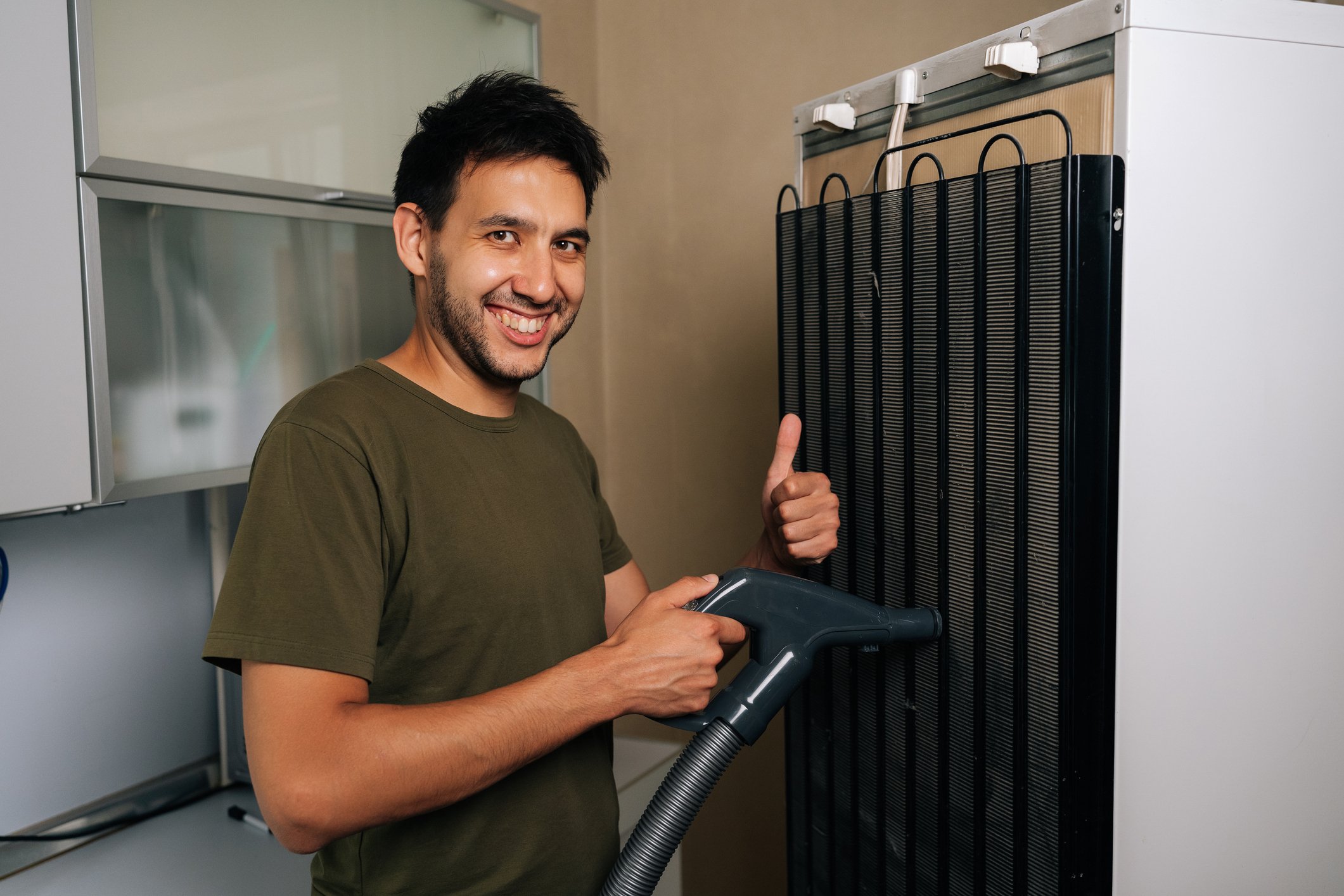
What it is: Dust on the condenser coils makes it harder for the fridge to release heat, so it cools less effectively.
What to check: Unplug the fridge and vacuum the coils, usually behind or under the unit. Check your manual for the location.
DIY or pro: DIY.
What it is: The evaporator fan circulates cold air in the freezer and into the fridge. If it stops, the freezer can warm up.
What to look for: You don't hear the fan running when the freezer door is open and the light switch is pressed, or you hear a new squealing noise.
DIY or pro: Call a pro.
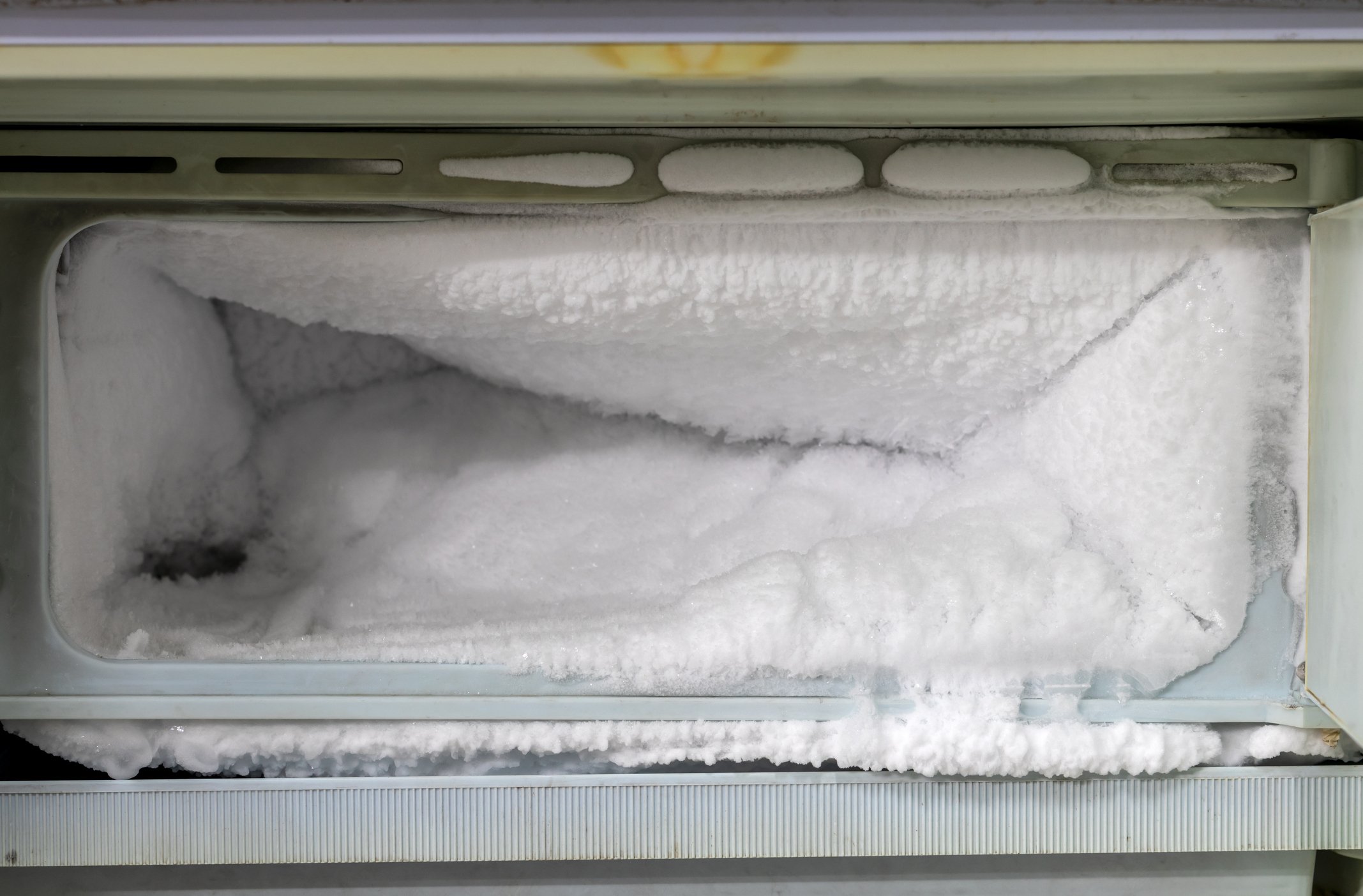
What it is: The defrost system melts frost off the evaporator coils on a schedule. If a part fails, frost builds up and blocks airflow.
What to look for: Heavy frost on the back wall of the freezer.
DIY or pro: Call a pro.
What it is: A failed thermostat, air damper or compressor can stop the system from cooling properly.
What to look for: Both sections warming up, the fridge running constantly or not running at all.
DIY or pro: Call a pro.
If your freezer is fine but the fridge is warm, cold air usually isn't making it from the freezer into the fridge. A stuck damper, a blocked vent between the compartments or a failing evaporator fan are common culprits. Start by clearing the vents, then call for service if the fridge stays above 40°F.
Have a specific brand? See our guides to Samsung freezer not freezing, GE refrigerator not cooling and Whirlpool refrigerator not cooling.
Refrigerator repair costs range from $300 to $1,000, with an average of about $650, according to HomeAdvisor estimates. Compressor work typically costs more. Learn more about refrigerator repair cost before you decide.
Refrigerators are a covered item under Cinch Home Services plans. When a covered fridge breaks down from normal wear and tear, a home warranty helps cover the cost of the repair, and we'll match you with a pre-screened service provider. Submit a service request online or by phone 24/7. Subject to plan terms and conditions. Compare plans and coverage.
The product being offered is a service contract and is separate and distinct from any product or service warranty which may be provided by the home builder or manufacturer.
This guide uses temperature guidance from the FDA and USDA and repair cost data from HomeAdvisor via the Cinch Home Services repair cost guide. Causes are ordered from simplest DIY checks to professional repairs. Last updated: November 2026.
The most common causes are blocked vents, a poor door seal, dirty condenser coils, a failed evaporator fan or a defrost system problem.
Cold air isn't reaching the fridge from the freezer. A stuck damper, blocked vent or failing fan is often the cause.
The FDA recommends 0°F (-18°C).
Yes. Because the two sections share parts but rely on airflow between them, one can warm up while the other still feels cold.
Follow the USDA and FDA guidance for your situation. Use an appliance thermometer to check the temperature, and see FoodSafety.gov for specific food safety timelines.
Often, yes. Compare the repair quote with the age of your fridge and the cost of a new one.
The information in this blog library is intended to provide general guidance on home warranties, and on the proper maintenance and care of systems and appliances in the home. Not all of the topics mentioned are covered by our home warranty or maintenance plans. Please review your home warranty contract carefully to understand your coverage.
Our blog library may link to third-party sites that offer products, services, coaches, consultants, and/or experts. Any such link is provided for reference only and not intended as an endorsement or statement that the information provided by the other party is accurate. We are not compensated for any products or services purchased from these third-party links.

Please contact rbb Communications:

Your plan and pricing are waiting.

Request service, check coverage and more.